Blacksmithing Craft of the Nung An
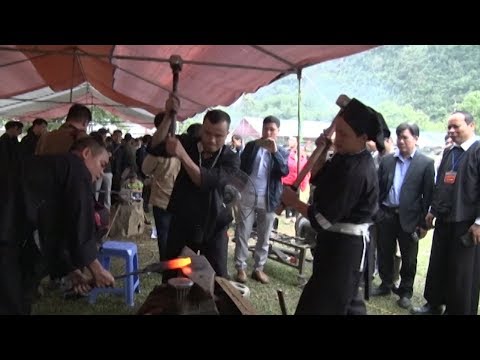
In the pre-dawn darkness of Vietnam's northern highlands, the rhythmic percussion of hammer on anvil echoes through mountain valleys like an ancient heartbeat. Sparks dance in the shadows as glowing metal takes shape under weathered hands, carrying forward a tradition that has burned bright for over seven centuries.
The Nung An people of Lang Son Province have transformed the art of blacksmithing into something far beyond mere metalwork—it is a cultural cornerstone that binds community, spirituality, and survival into every forged blade and crafted tool. This UNESCO-recognized intangible cultural heritage represents one of Vietnam's most enduring ethnic minority traditions, where fire, iron, and ancestral wisdom converge in workshops that have remained virtually unchanged since the 13th century.
Forged in the Fires of History
The blacksmithing tradition of the Nung An traces its origins to the late Ly Dynasty (1009-1225), when their ancestors migrated from southern China into the rugged borderlands of what is now northern Vietnam. Carrying with them advanced metallurgical knowledge, these skilled craftsmen established settlements in the mineral-rich mountains of Lang Son Province, where iron ore deposits provided the raw materials for their craft.
Legend speaks of Thầy Cả Lò (Master of the Forge), a mythical ancestor who first taught the Nung An to read the language of fire and metal. According to oral tradition, he could divine the quality of iron ore simply by its sound when struck, and his forge never cooled for forty years. While mythical, this figure embodies the reverence the Nung An hold for their craft—it is not merely work, but a sacred calling passed down through bloodlines.
The strategic location along ancient trade routes between China and the Vietnamese lowlands allowed Nung An blacksmiths to flourish, their reputation for quality blades and agricultural tools spreading throughout the region. Even during periods of conflict and upheaval, the forges continued to burn, adapting to create weapons for defense and tools for survival.
The Sacred Dance of Fire and Iron
At its heart, Nung An blacksmithing is a complex choreography of tradition, technique, and spiritual practice. The process begins before dawn, when the thầy rèn (master blacksmith) lights the forge with rituals that honor both the fire spirits and ancestral craftsmen.
The traditional Nung An forge, called lò rèn, is a masterpiece of engineering built into hillsides to utilize natural drafts. Constructed from local clay and stone, these forges can reach temperatures exceeding 1,200°C using charcoal made from specific mountain hardwoods. The bellows system, operated by foot pedals called ống thổi, creates a hypnotic rhythm that experienced smiths can maintain for hours.
The Tools of Mastery
The Nung An blacksmith's arsenal includes:
- Búa lớn - Heavy sledgehammers weighing up to 3kg for initial shaping
- Búa nhỏ - Precision hammers for detailed work
- Đe rèn - Anvils carved from single blocks of hardened steel
- Kìm - Specialized tongs designed for different metal shapes
- Dũa - Files and grinding tools for finishing work
The Forging Process
The creation of a traditional dao Nung (Nung knife) exemplifies the complexity of this craft:
- Selection and preparation of iron ore, often involving overnight soaking in mountain spring water
- Smelting in the forge, with the smith reading the metal's readiness by color and spark patterns
- Initial shaping through repeated heating and hammering
- Folding and welding the metal multiple times to create layered strength
- Quenching in specially prepared water infused with local herbs
- Tempering over carefully controlled heat
- Handle crafting from water buffalo horn or hardwood
- Final blessing with incense and ancestral prayers
The Soul of Community and Cosmos
For the Nung An, blacksmithing transcends craft—it is a spiritual practice that connects the earthly and divine realms. The forge is considered sacred space, where the four elements of earth (iron ore), water (quenching), air (bellows), and fire (forge) unite under human guidance to create tools essential for life.
Every significant blade receives a lễ khai quang (blessing ceremony), where village elders invoke protective spirits and ancestral guidance. The finished products are believed to carry not just the smith's skill, but the spiritual protection of the community itself. Farmers treasure their Nung An tools not merely for their durability, but for their perceived ability to ensure bountiful harvests.
The craft also serves as social glue within Nung An communities. Young men traditionally spend years as apprentices, learning not just technical skills but cultural values, oral histories, and community responsibilities. The rhythmic sounds of multiple forges create a village symphony that marks the passage of seasons and the pulse of daily life.
Master blacksmiths hold positions of enormous respect, often serving as community leaders and keepers of oral tradition. Their workshops become informal schools where children absorb cultural knowledge while watching the mesmerizing dance of creation.
Journey to the Living Forges
Phuc Sen Commune: The Heart of the Craft
The remote Phuc Sen Commune in Huu Lung District, Lang Son Province, remains the epicenter of authentic Nung An blacksmithing. Here, over 200 households continue the tradition, their forges scattered throughout villages nestled in limestone karst landscapes.
Best visiting times: October through March offers comfortable weather and peak forging activity. The Lunar New Year period (January-February) features special ceremonial forgings and community celebrations.
What to expect: Visitors can observe master craftsmen at work, participate in basic forging activities under guidance, and purchase authentic handcrafted tools and blades. Local homestays offer immersive experiences, including traditional meals and evening storytelling sessions.
Na Duong Village: The Living Museum
Na Duong Village has transformed several traditional workshops into cultural demonstration sites while maintaining authentic production methods. Master Nong Van Duc, a fifth-generation blacksmith, offers structured tours explaining the spiritual and technical aspects of the craft.
Practical information:
- Tours available daily except Sundays
- Advanced booking recommended
- Basic Vietnamese or guided translation helpful
- Photography permitted with permission
Dong Khe Town: Gateway and Market
The historic Dong Khe Town serves as the primary access point and features a weekend market where Nung An craftsmen sell their wares alongside other ethnic minority products. The town's museum provides excellent historical context before visiting active forges.
Getting there: Regular buses from Hanoi to Lang Son City (3 hours), then local transport to Dong Khe (45 minutes). Motorbike rentals available for adventurous travelers seeking remote villages.
The Nung An blacksmithing tradition offers modern visitors a rare glimpse into a world where ancient wisdom still shapes daily life, where the ring of hammer on anvil carries the echoes of centuries, and where fire and iron dance together in an eternal celebration of human creativity and cultural continuity.
Featured Video
Nghề rèn của người Nùng An được công nhận Di sản văn hóa phi vật thể quốc gia
Heritage Details
Official Recognition Information
- Official Name (Vietnamese)
- Nghề rèn của người Nùng An
- Description
- The ancient blacksmithing craft of the Nung An people in Vietnam's northern highlands preserves a unique cultural heritage, forging intricate tools and ornaments using traditional techniques passed down through generations.