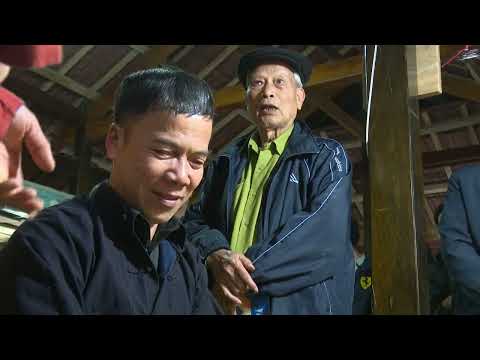
Cap Sac Initiation Ritual of the Nung
In the mist-shrouded mountains of northern Vietnam, where ancient forests whisper secrets of generations past, young Nung men stand at the threshold of manhood. The rhythmic beating of bronze drums echoes through valleys as elders prepare sacred texts, their weathered hands trembling with the weight of tradition. Tonight, boys will become men through a ritual unchanged for centuries—the Cap Sac, a spiritual bridge between childhood and the responsibilities of adulthood.
The Cap Sac initiation ritual represents one of Vietnam's most profound coming-of-age ceremonies, practiced by the Nung ethnic minority who inhabit the mountainous borderlands between Vietnam and China. This sacred rite of passage transforms adolescent boys into recognized adult members of their community through elaborate ceremonies steeped in Taoist philosophy, ancestral worship, and centuries-old traditions that bind the living to their forebears.
Threads Woven Through Dynastic Winds
The origins of Cap Sac stretch back over a millennium, intertwining with the complex history of the Nung people's migration from southern China during the Tang and Song dynasties. As these communities settled in the limestone karst landscapes of northern Vietnam's Cao Bang, Lang Son, and Ha Giang provinces, they carried with them not just their belongings, but an intricate spiritual framework that would define their cultural identity.
The ritual's foundation lies in Taoist principles merged with indigenous animistic beliefs, creating a unique synthesis that reflects the Nung people's adaptation to their new homeland. During the Ly Dynasty (1009-1225), as Vietnamese rulers sought to integrate ethnic minorities into the broader cultural fabric, the Nung were granted autonomy to maintain their traditional practices. This historical tolerance allowed Cap Sac to flourish and evolve, becoming more elaborate and codified over successive generations.
Legend speaks of a great Nung leader who, facing the loss of cultural identity among his people, received a divine vision instructing him to create a ceremony that would forever bind young men to their ancestors' wisdom. The ritual thus became both a spiritual necessity and a cultural preservation mechanism, ensuring that each generation would carry forward the accumulated knowledge of their predecessors.
The Sacred Theater of Transformation
The Cap Sac ceremony unfolds as an intricate spiritual drama, typically lasting three to seven days depending on the family's resources and the community's traditions. The ritual's complexity reflects its profound significance, with every element carefully orchestrated to facilitate the initiate's spiritual transformation.
Preparation Phase:
- The thầy cúng (ritual master) consults the lunar calendar to select an auspicious date
- Families gather resources for elaborate feasts and ceremonial items
- Sacred texts written in Nôm Nung (ancient Nung script) are prepared
- Traditional costumes are sewn, featuring intricate embroidery and silver ornaments
The Ceremonial Elements:
The heart of Cap Sac revolves around the "crossing the bridge" ceremony, where initiates symbolically traverse from the world of childhood to adulthood. A bamboo bridge is constructed within the family home, decorated with paper flowers and blessed with incense. As young men cross this bridge, they shed their childhood names and receive adult appellations that reflect their new status and responsibilities.
Sacred Attire and Symbols:
- Áo dài cách tân (modified traditional robes) in deep blue or black
- Khăn đóng (ceremonial headwear) marking adult status
- Silver jewelry passed down through generations
- Dao phù (protective amulets) blessed by ritual masters
The "Three Bows Ceremony" represents the ritual's spiritual climax. Initiates perform elaborate prostrations before ancestral altars, their community elders, and sacred texts. Each bow carries specific meaning: gratitude to ancestors, respect for living elders, and commitment to preserving cultural traditions. The synchronized movements, accompanied by haunting melodies played on đàn tính (two-stringed lutes) and punctuated by bronze gong strikes, create an atmosphere of profound solemnity.
The Spiritual Compass of Community
Beyond its surface pageantry, Cap Sac serves as the spiritual cornerstone of Nung society, weaving together individual identity with collective responsibility. The ritual functions as a cultural transmission mechanism, ensuring that traditional knowledge, moral values, and community obligations pass seamlessly from one generation to the next.
The ceremony establishes the initiate's relationship with the spirit world, formally introducing them to ancestral guardians who will guide their adult lives. Through elaborate prayers and offerings, young men learn to communicate with these spiritual forces, understanding their role as intermediaries between the living and the dead. This spiritual dimension transforms Cap Sac from a mere social ceremony into a profound religious experience that shapes the initiate's worldview.
Community bonding reaches its zenith during the ritual's communal aspects. Extended families gather from distant villages, strengthening kinship networks that form the backbone of Nung society. The ceremony becomes a forum for resolving disputes, arranging marriages, and conducting business—a comprehensive social gathering that reinforces community cohesion.
The economic dimension cannot be overlooked, as families invest significantly in these ceremonies, often saving for years to provide their sons with memorable initiations. This investment demonstrates the ritual's perceived value and ensures its continuation across generations, as each family seeks to match or exceed the celebrations of their neighbors.
Journey to the Sacred Mountains
For travelers seeking to witness this extraordinary cultural heritage, timing and cultural sensitivity are paramount. Cap Sac ceremonies typically occur during the dry season, from October to March, when mountain weather permits extended outdoor celebrations and families can more easily host large gatherings.
Cao Bang Province
The remote villages of Phuc Hoa and Ha Quang districts offer the most authentic Cap Sac experiences. These communities, nestled in valleys near the Chinese border, maintain the ritual's most traditional forms. Local homestays provide intimate access to family ceremonies, though visitors must arrange invitations through cultural organizations or local guides well in advance.
Lang Son Province
Binh Gia and Cao Loc districts present more accessible options for cultural tourists, with several villages offering scheduled demonstrations during festival periods. While less spontaneous than family-initiated ceremonies, these presentations maintain ritual authenticity while accommodating visitor needs.
Practical Considerations
Witnessing Cap Sac requires patience, respect, and cultural humility. Visitors should:
- Dress conservatively in dark colors
- Bring appropriate gifts for host families (incense, fruit, or monetary contributions)
- Maintain silence during sacred portions of the ceremony
- Avoid flash photography without explicit permission
- Engage local cultural guides familiar with Nung traditions
The journey to these remote communities often involves challenging mountain roads and basic accommodations, but the reward—witnessing one of Southeast Asia's most profound coming-of-age rituals—provides insights into cultural continuity that transcend ordinary tourist experiences. Through Cap Sac, visitors glimpse not just an ancient ceremony, but a living bridge between Vietnam's ethnic heritage and its evolving national identity.
Featured Video
Nghi lễ cấp sắc của dân tộc Nùng huyện Đồng Hỷ - Thái Nguyên
Heritage Details
Official Recognition Information
- Official Name (Vietnamese)
- Nghi lễ Cấp sắc của người Nùng
- Description
- The Cap Sac initiation ritual of the Nung people in northern Vietnam is a vibrant celebration of ancestral traditions, where young men undergo a transformative journey into adulthood through intricate ceremonies and sacred rites.