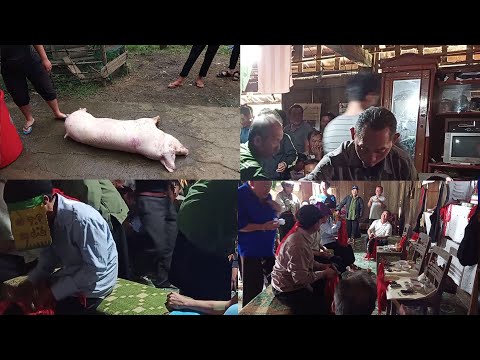
Clan Worship Ceremony of the Mong
In the mist-shrouded mountains of northern Vietnam, the rhythmic beating of bronze drums echoes through valleys where ancient spirits are said to dwell. Families gather in traditional wooden homes, their voices rising in unison as incense smoke carries prayers to ancestors who walked these highland paths centuries before.
The Clan Worship Ceremony of the Mong people represents one of Vietnam's most profound expressions of ancestral reverence, weaving together spiritual devotion, cultural identity, and community bonds in a sacred ritual that has endured for generations. This deeply meaningful ceremony serves as the cornerstone of Mong social and religious life, connecting the living with their departed ancestors through elaborate rituals, traditional music, and communal celebration.
Whispers from the Highland Ancestors
The origins of Mong clan worship ceremonies stretch back over a millennium, rooted in the ancient belief systems that the Mong people carried with them during their migrations from southern China into the mountainous regions of Vietnam, Laos, and Thailand. According to Mong oral tradition, these ceremonies were established by the first shamans who received divine visions instructing them on how to properly honor the deceased and maintain harmony between the world of the living and the realm of spirits.
The practice gained particular significance during the Mong people's settlement in Vietnam's northern provinces during the 18th and 19th centuries. Faced with the challenges of adapting to new territories while preserving their cultural identity, clan worship ceremonies became essential gathering points that reinforced family lineages, transmitted traditional knowledge, and provided spiritual guidance for communities scattered across remote mountain villages.
Each Mong clan maintains its own specific ceremonial traditions, passed down through patrilineal lines and carefully guarded by clan elders who serve as the keepers of ancestral wisdom and ritual knowledge.
Sacred Rhythms of Remembrance
The Clan Worship Ceremony unfolds as a meticulously orchestrated spiritual performance that can last anywhere from three days to two weeks, depending on the significance of the occasion and the status of the ancestors being honored. At the heart of these ceremonies lies the txiv neeb (shaman), who serves as the spiritual intermediary between the living and the dead.
The ceremonial process follows ancient protocols that have remained largely unchanged for centuries:
- Preparation Phase: Family members clean and decorate the ancestral altar, prepare traditional foods, and gather ceremonial items including incense, paper money, and ritual objects
- Invocation Rituals: The txiv neeb performs elaborate chants and dances to call the spirits of ancestors back to the family home
- Offering Ceremonies: Participants present food, drink, and symbolic gifts to honor the deceased and seek their blessings
- Divination Practices: Shamans interpret spiritual messages and provide guidance for family decisions and future prosperity
- Communal Feasting: Extended family and community members share traditional meals that symbolically include the ancestral spirits
The ceremony's musical component features the haunting melodies of the qeej (reed pipe instrument), whose complex harmonies are believed to guide spirits along their spiritual journey. Participants wear traditional Mong clothing adorned with intricate silver jewelry and colorful embroidered patterns that identify their specific clan lineage.
Central to the ritual is the rooj tshav (spiritual altar), elaborately decorated with ancestral photographs, ceremonial vessels, and offerings of rice wine, roasted pig, and specially prepared dishes that were favored by the deceased during their lifetime.
Threads That Bind the Living and the Dead
For the Mong people, clan worship ceremonies serve as far more than religious observances—they function as the fundamental mechanism through which cultural identity, family unity, and spiritual well-being are maintained and renewed. These ceremonies reinforce the Mong belief that ancestors continue to play active roles in the lives of their descendants, offering protection, guidance, and blessings when properly honored.
The spiritual significance extends beyond individual families to encompass entire communities, as clan ceremonies provide opportunities for scattered family members to reconnect, resolve disputes, and strengthen social bonds. Young people learn traditional songs, stories, and cultural practices during these gatherings, ensuring the transmission of Mong heritage to future generations.
The ceremonies also serve important psychological and social functions, providing comfort during times of grief, reinforcing cultural pride in the face of modernization pressures, and creating shared experiences that bind community members together across geographical distances and generational divides.
Witnessing Ancient Traditions in Modern Times
Ha Giang Province
The mountainous province of Ha Giang offers visitors the most authentic opportunities to observe Mong clan worship ceremonies, particularly in the districts of Dong Van, Meo Vac, and Quan Ba. The best time to witness these ceremonies is during the Tet (Lunar New Year) period from late January to early February, when families traditionally honor their ancestors and seek blessings for the coming year.
Cao Bang Province
In Cao Bang's remote villages, particularly around the areas of Ha Quang and Tra Linh, visitors can encounter clan ceremonies that maintain especially traditional characteristics due to the region's geographic isolation. Local guides familiar with Mong customs can help arrange respectful visits during appropriate ceremonial periods.
Lao Cai Province
The Sapa region and surrounding valleys host numerous Mong communities where clan worship ceremonies continue to play central roles in community life. The autumn months of September and October often feature harvest-related ancestral ceremonies that welcome respectful observers.
Visitor Guidelines
When attending these sacred ceremonies, visitors should:
- Dress modestly and conservatively
- Follow the guidance of local hosts regarding appropriate behavior
- Avoid photography during the most sacred ritual moments
- Participate respectfully in communal meals when invited
- Bring small gifts such as incense or fruit as offerings
The profound spiritual atmosphere and cultural richness of Mong clan worship ceremonies offer visitors unique insights into one of Vietnam's most enduring indigenous traditions, providing unforgettable glimpses into the deep connections between past and present that continue to shape highland community life.
Featured Video
lễ cúng tu su của dòng họ Hơ dâm tộc Mông. monk worshiping ceremony of the Hmong clan
Heritage Details
Official Recognition Information
- Official Name (Vietnamese)
- Lễ cúng dòng họ (Tu su) của người Mông
- Description
- The Vietnamese National Heritage, the Clan Worship Ceremony of the Mong, is a profound cultural tradition celebrated in the northern mountainous regions, honoring ancestral bonds and the enduring spirit of community within this vibrant ethnic minority.