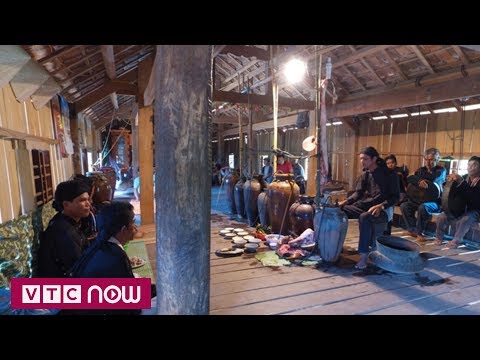
Coming-of-Age Worship Ceremony of the Ede
In the shadow of the Central Highlands' ancient forests, young voices rise in ancestral song as bamboo flutes echo through longhouses built on stilts. The scent of burning incense mingles with mountain mist as the Ede community gathers to witness their children cross the sacred threshold from youth to adulthood, their bare feet touching the wooden floors where generations before them have danced the same eternal rhythm.
The Coming-of-Age Worship Ceremony of the Ede represents one of Vietnam's most profound cultural traditions, where the indigenous Ede people of the Central Highlands celebrate the spiritual and social transformation of their youth into full community members. This sacred ritual, known as "Rija Nagar" in the Ede language, weaves together ancestral worship, community bonding, and the passing of cultural knowledge through elaborate ceremonies that can span several days.
Whispers from the Highland Ancestors
The roots of this ceremony stretch back over a millennium, emerging from the Ede people's deep connection to their ancestral spirits and the natural world that surrounds their highland home. According to Ede oral tradition, the first coming-of-age ritual was established by Po Ino Nagar, a legendary goddess-queen who taught the people how to honor the transition from childhood to adulthood through sacred communion with their ancestors.
During the Cham Kingdom's influence in the region from the 7th to 19th centuries, the Ede maintained their distinct cultural practices while selectively incorporating Hindu-influenced elements into their ceremonies. The French colonial period and subsequent wars threatened to disrupt these traditions, but the resilient Ede communities preserved their rituals by conducting them in secret when necessary, ensuring the sacred knowledge passed unbroken from one generation to the next.
The ceremony's survival through turbulent historical periods reflects the Ede people's unwavering commitment to their cultural identity, with village elders serving as guardians of the intricate protocols and spiritual meanings embedded within each ritual element.
The Sacred Dance of Transformation
The Rija Nagar ceremony unfolds as a carefully orchestrated symphony of ritual elements, each carrying profound spiritual significance. The transformation process begins weeks before the actual ceremony, as families prepare by gathering specific materials and consulting with village shamans called "po pin" to determine auspicious dates.
The Ritual Components
The ceremony centers around several key elements that work together to facilitate the spiritual transformation:
- Gong ensembles ("chinh") create the sacred soundscape, with different bronze instruments representing various spiritual realms
- Traditional costumes woven with intricate patterns that tell stories of Ede mythology and family lineage
- Ancestral altars adorned with offerings of rice wine ("can"), betel leaves, and sacred textiles
- Ritual dances performed by both initiates and community elders, following choreography passed down through generations
The initiates, typically aged 15-18, undergo purification rituals involving ceremonial bathing with water blessed by the village shaman. They don traditional garments - young men wear "ao choang" (long tunics) with geometric patterns, while young women are adorned in "sarongs" and elaborate silver jewelry that has been blessed by their grandmothers.
The Ceremony Unfolds
The main ritual takes place in the community's traditional longhouse ("nha rong"), where carved wooden pillars represent the connection between earth and sky. As bronze gongs resonate through the structure, the initiates perform ritualized movements that symbolize their journey from the world of children to the realm of adults.
Elder women lead chanting sessions that recount family genealogies and tribal history, ensuring that each young person understands their place in the continuous chain of Ede heritage. The "po pin" conducts divination rituals to determine each initiate's spiritual guardian and future role within the community.
The Sacred Bridge Between Worlds
For the Ede people, this ceremony represents far more than a simple celebration of growing up - it serves as a fundamental pillar of their social and spiritual structure. The ritual creates a sacred bridge between the world of ancestors and the living community, ensuring that cultural knowledge, values, and spiritual practices continue unbroken into the future.
The ceremony reinforces the Ede's matrilineal society, where lineage and inheritance pass through the mother's line. Young women receive special recognition during the ritual as future carriers of family traditions, while young men learn their responsibilities as protectors and providers within the community structure.
Through participation in the ceremony, initiates gain the right to participate in important community decisions, marry, and eventually guide their own children through the same transformative process. The ritual creates strong bonds between age groups, as recent initiates become mentors to younger children, while receiving continued guidance from their elders.
The ceremony also serves to strengthen the Ede people's connection to their ancestral lands in the Central Highlands, as many ritual elements specifically reference local geography, plants, and animals that are integral to their traditional way of life.
Witnessing the Highland Transformation
Visitors seeking to experience this profound cultural tradition should approach with deep respect and understanding that this is first and foremost a sacred ceremony for the Ede community, not a tourist attraction.
When and Where to Visit
The ceremonies typically take place during the dry season from December to April, with specific dates determined by lunar calendar calculations and community needs. The primary locations include:
- Dak Lak Province: Home to the largest Ede population, particularly around Buon Ma Thuot city
- Dak Nong Province: Several traditional villages maintain strong ceremonial practices
- Gia Lai Province: Northern Ede communities with distinct regional variations
Respectful Participation
Visitors must receive explicit invitation from community leaders and should:
- Dress modestly in long pants and covered shoulders
- Bring appropriate gifts such as rice wine or traditional textiles
- Follow guidance from village elders regarding photography and participation
- Understand that some portions of the ceremony may be restricted to community members only
Cultural Context
The Vietnam Museum of Ethnology in Hanoi offers excellent background information on Ede culture, while local cultural centers in Buon Ma Thuot provide opportunities to learn about highland traditions before visiting active ceremonies.
Travelers should also consider visiting during the Kate Festival or Rice Harvest ceremonies, which offer additional insights into Ede spiritual practices and may provide more accessible opportunities for respectful cultural exchange.
The coming-of-age ceremony represents a living tradition that continues to evolve while maintaining its essential spiritual core, offering visitors a rare glimpse into one of Vietnam's most authentic and enduring cultural treasures.
Featured Video
Lễ cúng trưởng thành của người Ê Đê: Di sản văn hóa phi vật thể
Heritage Details
Official Recognition Information
- Official Name (Vietnamese)
- Lễ cúng trưởng thành của người Ê Đê
- Description
- The Vietnamese National Heritage: Coming-of-Age Worship Ceremony of the Ede is a captivating cultural tradition in the Central Highlands of Vietnam, marking the transition to adulthood with a blend of spiritual ritual and community celebration.