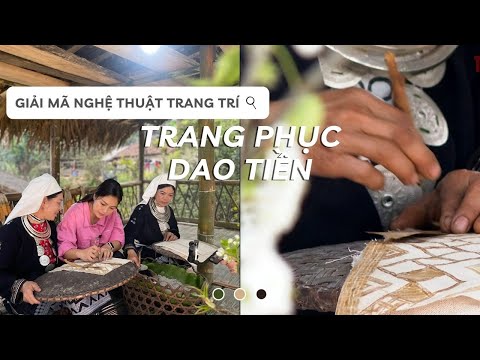
Costume Decoration Art of the Co Dao
In the misty highlands of northern Vietnam, where ancient forests whisper secrets of bygone eras, the Co Dao people transform simple fabric into canvases of cultural memory. Each thread tells a story, each pattern holds the weight of generations, and every costume becomes a living testament to an unbroken chain of artistic heritage.
The Costume Decoration Art of the Co Dao represents one of Vietnam's most intricate and symbolically rich textile traditions. This ancient craft, practiced by the Co Dao ethnic minority group, transforms everyday garments into elaborate works of art through meticulous embroidery, appliqué, and ornamentation techniques that have been passed down through countless generations.
Threads of Time: A Heritage Born from Mountain Mists
The origins of Co Dao costume decoration stretch back over a millennium, intertwining with the complex migration patterns of the Dao people across the mountainous regions of northern Vietnam, southern China, and Laos. According to oral traditions preserved by village elders, the art form emerged during the Song Dynasty period (960-1279 CE), when Dao communities first settled in the remote highlands of what is now Ha Giang, Cao Bang, and Lang Son provinces.
Legend speaks of Ban Vuong, the mythical ancestor of the Dao people, whose daughter received the first decorated costume as a divine gift. This celestial garment, adorned with symbols of protection and prosperity, became the template for all future Co Dao ceremonial dress. The patterns were said to map the journey between the earthly and spiritual realms, with each motif serving as a guide for souls navigating the afterlife.
Historical evidence suggests that the sophisticated techniques of Co Dao decoration developed through centuries of cultural exchange along ancient trade routes. The influence of Chinese imperial court aesthetics merged with indigenous animistic beliefs, creating a unique artistic language that speaks to both earthly beauty and spiritual power.
The Sacred Canvas: Artistry in Every Stitch
The creation of a traditional Co Dao costume represents a masterwork of textile artistry that can take months or even years to complete. The process begins with the careful selection of base materials, typically indigo-dyed cotton or hemp cloth, which provides the dark foundation against which brilliant decorative elements will shine.
Essential Techniques and Materials
The Co Dao artisans employ several distinctive decoration methods:
- Thêu tay (hand embroidery) using silk threads in vibrant reds, yellows, and whites
- Dán vải (fabric appliqué) featuring geometric and floral patterns
- Đính cườm (bead work) incorporating glass beads and silver ornaments
- Thêu chỉ bạc (silver thread embroidery) reserved for the most prestigious garments
Symbolic Motifs and Their Meanings
Each decorative element carries profound cultural significance:
- Dragon patterns (rồng): Representing power, wisdom, and connection to ancestors
- Phoenix motifs (phượng): Symbolizing rebirth, beauty, and feminine strength
- Cloud spirals (mây xoắn): Indicating the bridge between earth and heaven
- Flower designs (hoa văn): Expressing fertility, growth, and natural harmony
- Geometric borders (viền hình học): Creating protective barriers against evil spirits
The most elaborate costumes feature áo dài cổ (traditional long robes) with intricate collar work, váy xếp li (pleated skirts) with cascading patterns, and khăn đóng (ceremonial headdresses) that can weigh several kilograms due to their dense ornamentation.
Woven Stories: The Soul of Community Identity
Beyond their obvious aesthetic appeal, Co Dao decorated costumes serve as repositories of cultural knowledge and spiritual protection. Each garment functions as a "portable temple" that connects the wearer to ancestral wisdom and community identity.
The costumes play crucial roles in cấp sắc ceremonies, elaborate rites of passage where men receive religious titles and spiritual authority within the community. During these multi-day celebrations, the complexity and richness of one's costume decoration directly correlates with their spiritual rank and social standing.
For women, decorated costumes mark important life transitions: coming of age, marriage, motherhood, and elderhood. The áo cưới (wedding costume) represents the pinnacle of decorative art, often featuring family heirloom elements passed down through maternal lines. These garments serve as dowries, spiritual armor, and artistic legacies simultaneously.
The communal aspect of costume creation strengthens social bonds, as mothers, daughters, and sisters gather during long winter evenings to work on elaborate pieces together. This collaborative process ensures the transmission of not only technical skills but also cultural values, historical narratives, and spiritual beliefs.
Journey to the Artisans: A Visitor's Guide to Living Heritage
Experiencing Co Dao costume decoration art requires venturing into the remote highlands where this tradition thrives most authentically.
Ha Giang Province: The Heart of Co Dao Culture
Dong Van Karst Plateau offers the most accessible entry point for visitors seeking authentic Co Dao experiences. The Sunday market in Dong Van town regularly features artisans selling both completed costumes and decorative elements, providing opportunities to observe techniques and purchase authentic pieces.
Lung Cu commune hosts several villages where visitors can arrange homestays with Co Dao families. These immersive experiences often include costume decoration workshops where guests can try their hand at basic embroidery techniques under expert guidance.
Cao Bang Province: Traditional Festivals and Ceremonies
The annual Cấp Sắc festival in Tra Linh district (typically held in October or November) presents the most spectacular display of Co Dao costume art. Hundreds of participants don their finest decorated garments, creating a living museum of textile artistry.
Phuc Hoa district maintains several community cultural centers where master artisans offer demonstrations and sell museum-quality pieces. These centers also provide English-language explanations of symbolic meanings and cultural contexts.
Planning Your Visit
- Best time: October to March, when highland weather is most comfortable and festivals are frequent
- Duration: Allow 3-4 days minimum to appreciate the complexity of the art form
- Preparation: Bring warm clothing, as highland temperatures can drop significantly
- Respect: Always ask permission before photographing people in traditional dress
- Support: Purchase authentic pieces directly from artisans to support traditional livelihoods
The Costume Decoration Art of the Co Dao offers modern travelers a window into a world where beauty serves purpose, where artistry carries spiritual weight, and where every thread connects past to future in an unbroken chain of cultural continuity.
Featured Video
Decoding the art of decorative motifs on Dao Tien people's costumes in Na Hang | EXPERIENCE 🧳🍯🐝
Heritage Details
Official Recognition Information
- Official Name (Vietnamese)
- Nghệ thuật trang trí trên trang phục của người Dao Tiền
- Description
- The captivating Costume Decoration Art of the Coin Dao, a centuries-old Vietnamese national heritage, showcases the vibrant cultural traditions and intricate craftsmanship of this Northern ethnic minority group.