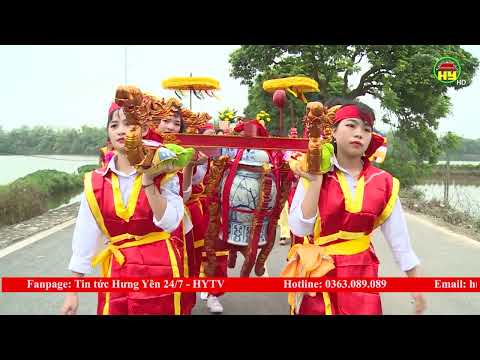
Da Hoa Temple Festival
The first rays of dawn pierce through ancient banyan trees as the rhythmic beat of bronze drums echoes across the Red River delta. Wisps of incense smoke curl skyward from weathered temple courtyards, while villagers in their finest traditional dress gather to honor a legendary princess who chose love over royal privilege. This is Da Hoa Temple Festival—where history, devotion, and community celebration converge in one of northern Vietnam's most cherished spiritual gatherings.
The Da Hoa Temple Festival is an annual religious celebration held at Da Hoa Temple in Thuong Tin District, Hanoi, honoring Princess Lieu Hanh, one of Vietnam's most beloved folk deities. This vibrant festival combines ancient spiritual rituals with community festivities, drawing thousands of pilgrims and visitors who come to pay respects to the goddess known as the "Mother of the Vietnamese people."
The Princess Who Became a Goddess
The origins of Da Hoa Temple Festival stretch back over 400 years, rooted in the legend of Princess Lieu Hanh, a figure who transcends the boundaries between mythology and history. According to Vietnamese folklore, Lieu Hanh was a celestial being who descended to earth during the 16th century, taking human form to experience mortal life and love.
The princess chose to live among common people rather than in royal palaces, eventually settling in the Red River delta region. Her compassion for the poor, her miraculous healing powers, and her deep connection to Vietnamese soil earned her a devoted following. When she returned to the heavens, grateful villagers built temples in her honor, with Da Hoa Temple becoming one of the most significant sites of worship.
During the Le Dynasty, the temple received royal recognition and patronage, cementing Princess Lieu Hanh's status as one of the Tứ Phủ (Four Palaces) deities in Vietnamese folk religion. The festival tradition began as local communities sought to commemorate her benevolence and seek her continued protection for their families and harvests.
Sacred Rhythms and Ancient Rituals
The Da Hoa Temple Festival unfolds over three days, typically in the third lunar month, transforming the temple complex into a vibrant tapestry of spiritual devotion and cultural celebration. The festival's heart lies in its intricate ceremonial practices that have been preserved for generations.
The opening ceremony begins before dawn with the lễ khai ấn (seal opening ritual), where temple keepers ceremonially unlock the inner sanctuary. Elderly bà đồng (spirit mediums) lead processions carrying ornate palanquins, their colorful silk robes rustling as they move through clouds of sandalwood incense.
Key ritual elements include:
- Hầu đồng ceremonies: Elaborate spirit possession rituals where mediums channel Princess Lieu Hanh and other deities
- Kiệu rước processions: Ornate palanquin processions carrying the goddess's statue through village streets
- Cúng lễ offerings: Elaborate food presentations featuring traditional dishes like bánh chưng, sticky rice, and seasonal fruits
- Múa rồng performances: Dragon dances that weave through the temple courtyards
The festival's most mesmerizing moments occur during the hầu đồng sessions, where mediums dressed in elaborate imperial costumes perform intricate dances while in trance states. The hypnotic combination of traditional music played on đàn bầu (monochord zithers), trống (drums), and chiêng (gongs) creates an otherworldly atmosphere that transports participants into the realm of the sacred.
Threads That Bind Community and Cosmos
Beyond its spectacular rituals, the Da Hoa Temple Festival serves as a powerful force for social cohesion and spiritual renewal. For Vietnamese communities, Princess Lieu Hanh represents the ideal of compassionate leadership and the belief that divine protection flows from moral virtue rather than social status.
The festival reinforces traditional values of hiếu thảo (filial piety) and community solidarity. Families travel from across northern Vietnam to participate, often fulfilling vows made during times of hardship or celebrating answered prayers for health, prosperity, or family harmony. The shared experience of worship creates bonds that transcend social and economic differences.
The celebration also plays a crucial role in preserving Vietnam's tín ngưỡng dân gian (folk beliefs), maintaining practices that predate both Buddhism and Confucianism in Vietnamese culture. Through the festival, ancient knowledge about traditional medicine, agricultural cycles, and spiritual healing continues to pass from generation to generation.
For many participants, the festival represents a spiritual homecoming—a chance to reconnect with ancestral traditions and seek guidance for life's challenges. The belief in Princess Lieu Hanh's protective power provides comfort and hope, particularly for women who see her as a patron saint of motherhood and family welfare.
Planning Your Pilgrimage
When to Visit
The Da Hoa Temple Festival typically occurs in March or April, following the lunar calendar. The main festival days fall on the 7th, 8th, and 9th days of the third lunar month, with the most elaborate ceremonies taking place on the 8th day. Arrive early in the morning to witness the opening rituals and secure good viewing positions for the processions.
Getting There
Da Hoa Temple is located in Thuong Tin District, approximately 30 kilometers south of Hanoi's city center. The most convenient approach is by motorcycle or car via National Highway 21A. Public buses run regularly from Hanoi's southern bus stations, though expect crowded conditions during festival days.
What to Expect
Come prepared for large crowds, especially during peak ceremony times. Dress respectfully in conservative clothing, covering shoulders and knees. Bring comfortable walking shoes as you'll spend considerable time standing on temple courtyards and pathways.
The temple complex includes food stalls selling traditional festival treats like bánh phu thê (husband and wife cakes) and chè (sweet soups). Local artisans also sell religious items, incense, and handcrafted souvenirs.
Respectful Participation
While visitors are welcome to observe most ceremonies, maintain respectful silence during hầu đồng rituals. Photography is generally permitted in courtyard areas but avoid using flash during ceremonies. Consider bringing small denominations of Vietnamese dong for temple donations and purchasing incense to participate in offering rituals.
The Da Hoa Temple Festival offers a rare window into Vietnam's living spiritual traditions, where ancient beliefs continue to provide meaning and community in the modern world. Whether you come as a cultural observer or spiritual seeker, this remarkable celebration will leave you with a deeper understanding of Vietnamese heritage and the enduring power of folk wisdom.
Featured Video
Lễ hội đền Đa Hoà và Lễ hội đền Hoá Dạ Trạch là di sản văn hoá phi vật thể quốc gia
Heritage Details
Official Recognition Information
- Official Name (Vietnamese)
- Lễ hội Đền Đa Hòa
- Description
- The Da Hoa Temple Festival, held in Hung Yen Province, Vietnam, is a vibrant celebration of the country's rich cultural heritage, showcasing traditional rituals, music, and dance that have been passed down for generations.