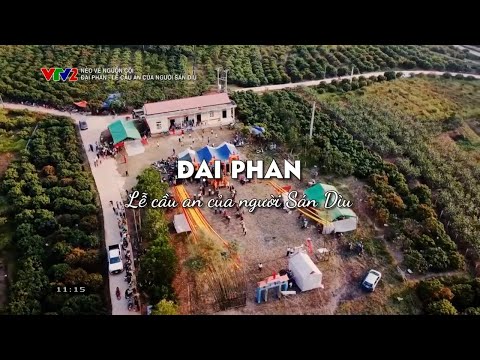
Dai Phan Ceremony of the San Diu
In the misty highlands where ancient spirits dwell, the rhythmic beat of drums echoes through bamboo groves as the San Diu people gather under flickering candlelight. Incense smoke spirals upward, carrying prayers to ancestors who watch over their descendants with eternal vigilance. This is the sacred hour of Dai Phan, when the veil between worlds grows thin and the living commune with the departed.
The Dai Phan ceremony stands as one of Vietnam's most profound spiritual traditions, practiced by the San Diu ethnic minority who inhabit the mountainous regions of northern Vietnam. This elaborate ancestral worship ritual serves as both a bridge between the physical and spiritual realms and a cornerstone of San Diu cultural identity, preserving centuries-old beliefs about death, rebirth, and the eternal bond between generations.
Whispers from the Ancient Peaks
The origins of the Dai Phan ceremony trace back over 500 years to the San Diu people's migration from southern China into the rugged terrain of Vietnam's northern provinces. As these communities settled in Quang Ninh, Lang Son, and Bac Giang, they carried with them a rich tapestry of spiritual beliefs that blended Confucian ancestor veneration, Taoist cosmology, and indigenous animistic practices.
According to San Diu oral tradition, the ceremony was first established when a revered village elder received visions from departed ancestors who expressed their desire to maintain connection with their living descendants. The elder, known as Thầy Cúng (master ritualist), developed the intricate protocols of Dai Phan to ensure proper communication between the two worlds. Over generations, this sacred knowledge has been passed down through hereditary lines of spiritual practitioners, each adding their own interpretations while preserving the ceremony's essential elements.
The name "Dai Phan" itself carries deep meaning - "Dai" represents the great or supreme, while "Phan" refers to the spiritual realm where ancestors reside, emphasizing the ceremony's role as a grand communion with the departed.
Sacred Theater of Souls
The Dai Phan ceremony unfolds as an elaborate spiritual performance that can last anywhere from three days to an entire week, depending on the family's circumstances and the complexity of requests being made to the ancestors. The ritual typically takes place in the family's ancestral home or a designated community space, transformed into a sacred theater through careful preparation and decoration.
The Sacred Architecture
The ceremonial space centers around an ornate altar called Bàn Thờ Tổ Tiên, adorned with:
- Ancestral tablets bearing the names and dates of departed family members
- Offerings of traditional foods including sticky rice, roasted pork, and seasonal fruits
- Burning incense sticks that create aromatic clouds of communication
- Paper money and symbolic gifts to be sent to the spirit world
- Elaborate flower arrangements representing the beauty of life
The Ritual Choreography
The ceremony follows a precise sequence orchestrated by the Thầy Cúng, who serves as both conductor and translator between worlds:
Opening Invocation: The master ritualist begins by calling upon protective spirits and announcing the ceremony's intentions through melodic chants accompanied by traditional instruments.
Ancestral Summoning: Using a combination of drum beats, bell chimes, and vocal incantations, the Thầy Cúng invites specific ancestors to join the gathering, often calling them by name and recounting their earthly achievements.
Spiritual Dialogue: The most mystical phase involves the ritualist entering a trance-like state to receive messages from the departed, which are then interpreted and shared with family members.
Offering Presentation: Family members present their gifts to the ancestors, including food, drink, and symbolic items like paper clothing and money, which are ceremonially burned to transfer them to the spirit realm.
Blessing Reception: The ceremony concludes with ancestors bestowing blessings upon their living descendants, often including guidance for important life decisions and protection from misfortune.
The Eternal Bond of Blood and Spirit
For the San Diu people, Dai Phan represents far more than a religious observance - it embodies their fundamental understanding of existence as a continuous cycle connecting past, present, and future generations. The ceremony reinforces the belief that death is merely a transition rather than an ending, and that ancestors remain active participants in their families' lives.
This spiritual framework creates profound social cohesion within San Diu communities. Extended families often coordinate their Dai Phan ceremonies to strengthen kinship bonds, while the shared experience of ancestral communication reinforces collective identity and cultural values. Young people learn their family histories through these rituals, absorbing lessons about respect, responsibility, and the importance of honoring those who came before.
The ceremony also serves a therapeutic function, providing emotional healing for those grieving recent losses and offering comfort through the assurance of continued connection with departed loved ones. Many participants report experiencing profound peace and guidance following Dai Phan ceremonies, describing a sense of being surrounded by protective ancestral presence.
Journey to the Sacred Mountains
Witnessing a Dai Phan ceremony offers visitors an extraordinary window into one of Vietnam's most authentic spiritual traditions, though approaching this experience requires sensitivity and respect for its sacred nature.
Where to Experience Dai Phan
Quang Ninh Province: The coastal mountains near Ha Long Bay host several San Diu communities where Dai Phan ceremonies occur regularly, particularly in Dong Trieu and Uong Bi districts.
Lang Son Province: Border communities near the Chinese frontier maintain some of the most traditional forms of the ceremony, with elaborate multi-day celebrations during important family occasions.
Bac Giang Province: The highland villages around Yen The offer opportunities to witness Dai Phan in intimate family settings, often combined with seasonal festivals.
When to Visit
Dai Phan ceremonies typically coincide with:
- Death anniversaries of important family members
- Major life transitions such as marriages or births
- Traditional holidays including Lunar New Year and Mid-Autumn Festival
- Times of family crisis when ancestral guidance is sought
Cultural Etiquette
Visitors wishing to observe Dai Phan ceremonies should:
- Arrange visits through local cultural organizations or ethnic minority tourism offices
- Dress conservatively in dark or neutral colors
- Maintain respectful silence during ritual proceedings
- Avoid photography without explicit permission
- Participate in offerings only when invited by family members
- Consider making a modest donation to support the ceremony's costs
The Dai Phan ceremony reminds us that in our increasingly connected yet fragmented world, the San Diu people have preserved something precious - an unbroken chain of love and reverence that transcends the boundaries between life and death, creating a spiritual homeland that travels with them wherever they may roam.
Featured Video
Đại Phan - Lễ cầu an của người Sán Dìu | Nẻo về nguồn cội | VTV
Heritage Details
Official Recognition Information
- Official Name (Vietnamese)
- Lễ Đại Phan của người Sán Dìu
- Description
- The Dai Phan Ceremony of the San Diu, a unique cultural heritage of Vietnam's northwestern region, is a mesmerizing ritual that celebrates the community's ancestral spirits and their deep connection to the land.