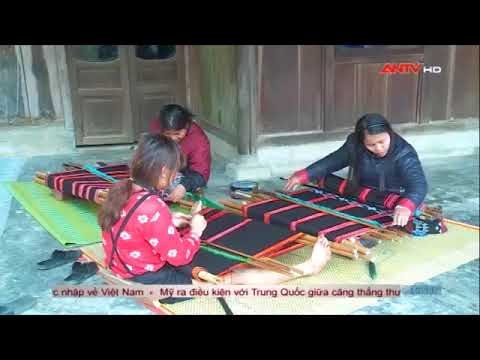
Deng Brocade Weaving Craft of the Ta Oi
In the misty highlands of central Vietnam, the rhythmic clacking of wooden looms echoes through traditional stilt houses. Fingers dance across vibrant threads of red, black, and gold, weaving stories that have been passed down through generations. Here, among the Ta Oi people, each thread carries the weight of ancestry, and every pattern holds the secrets of a proud mountain culture.
The Deng brocade weaving craft represents one of Vietnam's most exquisite textile traditions, practiced exclusively by the Ta Oi ethnic minority in the mountainous regions of Quang Tri and Thua Thien-Hue provinces. This ancient art form transforms simple cotton and silk threads into intricate fabrics that serve not merely as clothing, but as cultural documents preserving the spiritual beliefs, social hierarchies, and artistic sensibilities of the Ta Oi people.
Threads of Time: An Ancient Mountain Legacy
The origins of Deng brocade weaving stretch back over a millennium, emerging from the Ta Oi people's deep connection to their mountainous homeland along the Vietnam-Laos border. According to Ta Oi oral tradition, the craft was gifted to their ancestors by Po Nagar, a revered goddess who taught women the sacred art of transforming raw fibers into magnificent textiles that could communicate with the spirit world.
Historical records suggest that the Ta Oi developed their distinctive weaving techniques during the Ly Dynasty (1009-1225), when trade routes through the Truong Son Mountains brought new materials and influences to their isolated communities. Unlike the brocades of the lowland Vietnamese, which often featured Chinese-inspired motifs, the Ta Oi created uniquely indigenous patterns that reflected their animistic beliefs and forest environment.
The term "Deng" itself derives from the Ta Oi word for "to bind" or "to connect," reflecting the craft's role in binding communities together and connecting the living world with ancestral spirits. For centuries, these textiles served as dowry items, ceremonial garments, and even currency in remote mountain villages where traditional barter systems prevailed.
The Sacred Dance of Warp and Weft
Creating authentic Deng brocade requires mastery of the khung cửi, a traditional backstrap loom that has remained virtually unchanged for generations. The process begins months before the actual weaving, as artisans must first cultivate and process their raw materials according to time-honored methods.
The creation of Deng brocade follows these intricate steps:
- Cotton cultivation and processing: Ta Oi women grow specific varieties of cotton suited to mountain conditions, then hand-gin, card, and spin the fibers using traditional wooden tools
- Natural dyeing: Colors are extracted from forest plants, roots, and minerals—indigo for deep blues, lac insects for vibrant reds, and turmeric for golden yellows
- Pattern planning: Master weavers mentally map complex geometric designs, as patterns are never written down but passed through oral tradition
- Warp preparation: Hundreds of threads are carefully measured and arranged according to the intended pattern
- Supplementary weft technique: The distinctive brocade patterns are created using kỹ thuật tăng vi, where additional colored threads are inserted by hand to create raised designs
The most prized Deng textiles feature the rồng phượng (dragon and phoenix) motif, symbolizing harmony between masculine and feminine principles, alongside geometric patterns representing mountains, rivers, and celestial bodies. Master weavers can create up to 40 different traditional patterns, each with specific ceremonial or social significance.
The physical demands of backstrap loom weaving require exceptional skill and endurance. Weavers must maintain consistent tension using their own body weight while simultaneously manipulating multiple sets of heddles and picking up individual threads to create complex patterns. A single piece of ceremonial brocade may require six months to complete.
Woven Wisdom: Symbols of Identity and Belief
Within Ta Oi culture, Deng brocade transcends mere textile craft to become a sophisticated system of visual communication. Each pattern, color combination, and weaving technique carries specific cultural meanings that reinforce social bonds and transmit ancestral wisdom to younger generations.
The spiritual significance of Deng brocade manifests in several ways:
Traditional Ta Oi cosmology divides the universe into three realms—sky, earth, and underworld—and brocade patterns often incorporate motifs representing all three levels. The mây rồng (cloud dragon) pattern connects earthly weavers with celestial powers, while geometric borders symbolize the protective barriers between different spiritual realms.
Color choices follow strict cultural protocols. Red threads, dyed with cây gấc seeds, represent life force and are essential for wedding garments and birth ceremonies. Black, achieved through multiple indigo baths, symbolizes the fertile earth and is worn by shamans during important rituals. Gold and yellow threads, the most labor-intensive to produce, are reserved for the garments of village elders and ceremonial occasions.
The social hierarchy of Ta Oi communities is also encoded in textile patterns. Only women of certain families may weave the most sacred designs, and the complexity of a woman's brocade work often determines her marriage prospects and social standing. Master weavers hold positions of tremendous respect, serving as cultural custodians who decide which patterns may be shared and which must remain within specific lineages.
Journey to the Looms: Experiencing Living Heritage
Visitors seeking to witness the Deng brocade tradition should venture into the remote highlands of A Luoi District in Thua Thien-Hue Province and Dakrong District in Quang Tri Province, where traditional Ta Oi villages maintain active weaving communities.
A Luoi Cultural Village
The most accessible location for experiencing Deng brocade weaving is the Ta Oi cultural village in A Luoi, approximately 70 kilometers west of Hue City. Here, visitors can observe master weavers at work in traditional stilt houses and participate in hands-on workshops covering basic weaving techniques and natural dyeing processes.
The village offers authentic homestay experiences where guests sleep in traditional nhà sàn (stilt houses) and participate in daily activities including cotton processing, thread preparation, and simple weaving exercises. Local guides, often master weavers themselves, provide detailed explanations of pattern meanings and cultural significance.
Dakrong Weaving Cooperatives
In Quang Tri's Dakrong District, several Ta Oi villages have established weaving cooperatives that welcome respectful visitors. These communities offer more immersive experiences, including multi-day programs where participants can follow the complete process from cotton harvest to finished textile.
The best time to visit is during the dry season (October to March) when mountain roads are most accessible and weaving activity peaks in preparation for Tet celebrations and wedding season. Visitors should arrange visits through certified cultural tourism operators who work directly with Ta Oi communities to ensure authentic experiences while providing fair economic benefits to local artisans.
Essential items for mountain visits include sturdy hiking boots, warm clothing for cool evenings, and small gifts such as notebooks or colored pencils for village children. Photography of sacred patterns or ceremonial textiles requires explicit permission from village elders, and visitors should be prepared to purchase authentic pieces directly from weavers to support this endangered craft tradition.
Featured Video
Nghề dệt Zèng truyền thống của người Tà Ôi
Heritage Details
Official Recognition Information
- Official Name (Vietnamese)
- Nghề dệt Dèng (thổ cẩm) của người Tà Ôi
- Description
- The Ta Oi people of Vietnam's Thua Thien Hue province perpetuate the centuries-old tradition of Deng brocade weaving, a captivating cultural heritage that celebrates their intricate textile artistry and deep connection to the land.