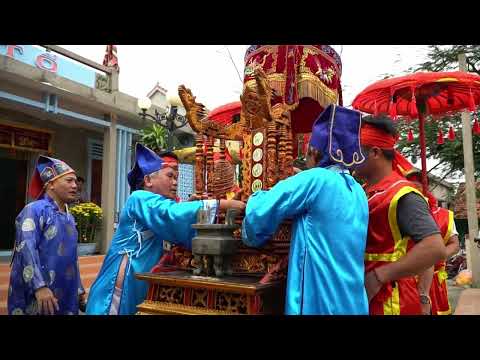
Fish Praying Festival in Quang Binh
In the pre-dawn darkness of Quang Binh's coastal villages, the gentle lapping of waves mingles with the soft murmur of prayers. Fishermen gather at ancient shrines, their weathered hands holding incense sticks that spiral smoke into the salty air, while colorful boats bob patiently in the harbor, waiting for the sea's blessing.
The Fish Praying Festival (Lễ Cầu Ngư) stands as one of Vietnam's most profound maritime traditions, where coastal communities in Quang Binh Province unite in a centuries-old ritual to seek the ocean's favor. This sacred ceremony transforms humble fishing villages into vibrant centers of spiritual devotion, as generations of seafaring families honor the deities of wind and waves before embarking on their perilous journeys into the South China Sea.
When Fishermen First Called to the Sea Gods
The origins of Lễ Cầu Ngư trace back to the early settlements along Quang Binh's treacherous coastline, where Vietnamese fishing communities first recognized the need to appease the unpredictable forces of nature. According to local folklore, the festival emerged during the Le Dynasty when a devastating storm claimed an entire fishing fleet, leaving widows and orphans throughout the coastal villages.
Legend speaks of Bà Chúa Nước (the Water Goddess), who appeared to the village elder in a dream, instructing the community to perform annual ceremonies of gratitude and supplication. The goddess promised that those who honored the sea with sincere hearts would find safe passage and abundant catches, while those who took the ocean's gifts for granted would face her wrath.
Historical records suggest the festival gained prominence during the Nguyen Dynasty, when imperial recognition elevated local water deity worship to an official status. The ceremony became deeply intertwined with the Thần Biển (Sea God) cult, creating a complex spiritual framework that governs maritime life in central Vietnam.
Sacred Rituals Beneath the Morning Stars
The Fish Praying Festival unfolds as an intricate tapestry of ceremonial elements, each carrying profound significance for the fishing community. The celebration typically spans three days, beginning with the Lễ Tịnh Yết (purification ceremony) and culminating in the dramatic Lễ Phóng Sinh (release of offerings to sea).
The festival's heart lies in the Lễ Cúng Cầu Ngư (main praying ceremony), where village elders present elaborate offerings to sea deities:
• Whole roasted pigs representing prosperity and abundance • Sticky rice in five colors symbolizing the five elements • Fresh fruits and traditional cakes showing gratitude for nature's bounty • Rice wine and tea for spiritual communion with ancestors • Incense and votive papers carrying prayers skyward
The most captivating moment occurs during the múa rồng nước (water dragon dance), where performers guide a magnificent dragon puppet through the waves, symbolically awakening the sea spirits. Accompanied by thunderous drums and bronze gongs, the dragon's serpentine movements mirror the ocean's eternal rhythm, creating a hypnotic spectacle that draws participants into a trance-like state of devotion.
Traditional ca trù singing echoes across the water as elderly women chant ancient prayers, their voices carrying the hopes and fears of families whose livelihoods depend on the sea's mercy. The haunting melodies, passed down through generations, tell stories of legendary fishermen, miraculous rescues, and the eternal struggle between human ambition and nature's power.
The Soul of Coastal Communities
Beyond its spectacular visual elements, the Fish Praying Festival serves as the spiritual cornerstone of Quang Binh's maritime culture. The ceremony reinforces the fundamental Vietnamese belief in harmony between heaven, earth, and humanity (thiên - địa - nhân), emphasizing humanity's humble position within the natural order.
For fishing families, the festival provides psychological preparation for months of dangerous ocean work. The communal prayers create bonds of solidarity, ensuring that no family faces tragedy alone. Village elders use the occasion to pass down traditional knowledge about weather patterns, fishing techniques, and sea safety, maintaining crucial survival skills within the community.
The festival also honors Ngư Ông (the Fisherman's Protector), often depicted as a benevolent whale spirit who guides lost boats to safety. This reverence for marine life reflects the deep ecological wisdom embedded in Vietnamese coastal culture, where fishermen traditionally practiced sustainable harvesting long before modern conservation concepts emerged.
Women play equally important roles, preparing ceremonial foods and maintaining shrine decorations throughout the year. Their participation ensures cultural continuity, as mothers teach daughters the intricate details of ritual preparation, from selecting perfect offerings to understanding the symbolic meaning of each ceremonial element.
Witnessing Ancient Traditions Along Vietnam's Central Coast
Visitors seeking to experience the Fish Praying Festival should plan their journey around the third lunar month (typically April-May), when most Quang Binh coastal villages conduct their annual ceremonies. The exact dates vary by location, as each community follows its own traditional calendar based on local patron saint days and favorable tide conditions.
Dong Hoi City and Surroundings
The provincial capital offers the most accessible entry point for international visitors, with Nhat Le Beach serving as a primary festival location. The ceremony here combines traditional elements with modern organizational efficiency, making it ideal for first-time observers. Local tourism offices provide English-speaking guides who can explain the ritual significance while ensuring respectful participation.
Quang Trach District Villages
For more authentic experiences, venture into smaller fishing communities like Quang Dong and Quang Phuc, where festivals maintain their original intimate character. These villages welcome respectful visitors but expect appropriate behavior during sacred moments. Photography should be discrete, and participants should follow local guidance regarding when to observe silently versus when community involvement is welcomed.
Practical Considerations
Early morning arrival (4:00-5:00 AM) ensures witnessing the complete ceremony from purification rituals through the climactic sea offerings. Bring modest clothing suitable for beach conditions, as ceremonies often involve walking on sand and standing in shallow water. Local restaurants near festival sites typically open early to serve traditional breakfast foods, providing opportunities to interact with fishing families and learn about their maritime heritage.
The Fish Praying Festival offers profound insights into Vietnam's relationship with the sea, revealing how ancient wisdom continues shaping modern coastal life through rituals that honor both tradition and the eternal mystery of the ocean's depths.
Featured Video
Lễ hội Cầu Ngư - Du lịch Quảng Bình
Heritage Details
Official Recognition Information
- Official Name (Vietnamese)
- Lễ hội Cầu ngư ở Quảng Bình
- Description
- The Fish Praying Festival in Quang Binh, Vietnam, is a captivating cultural event where locals gather to honor the spiritual significance of fish, celebrating the region's rich marine heritage and devotion to the sea.