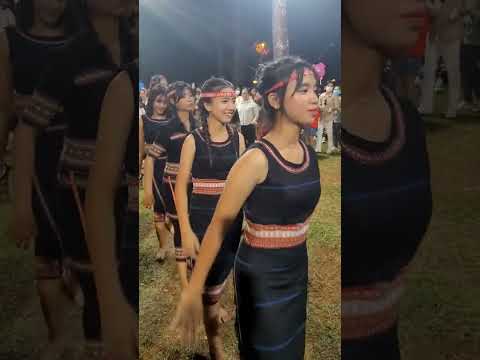
Gong Art of the Central Highlands
In the misty mountains of Vietnam's Central Highlands, where ancient forests whisper secrets to the wind, the deep, resonant voice of bronze gongs echoes through villages at dawn. Each strike reverberates not just through the air, but through the souls of the Bahnar, Sedang, Mnong, and other ethnic communities who have kept this sacred art alive for over a thousand years.
The Cồng chiêng Tây Nguyên – the gong art of Vietnam's Central Highlands – represents one of humanity's most profound musical traditions. Recognized by UNESCO as a Masterpiece of Oral and Intangible Heritage of Humanity, this ancient practice transforms simple bronze instruments into vessels of spiritual communication, weaving together music, ritual, and community life into an inseparable tapestry of cultural identity.
When Bronze First Sang in the Mountains
Legend speaks of a time when the gods themselves taught the highland peoples the secrets of bronze-making, gifting them instruments that could bridge the earthly and divine realms. Archaeological evidence suggests that gong culture flourished in the Central Highlands from the 1st century CE, evolving alongside the sophisticated bronze-working traditions of the Dong Son culture.
The art reached its zenith during the reign of various Vietnamese dynasties, when highland communities developed increasingly complex gong ensembles. Each ethnic group – the Bahnar, Ede, Jarai, Sedang, Mnong, Coho, and others – contributed their unique voice to this mountainous symphony, creating distinct styles and repertoires that reflected their individual relationships with the natural and supernatural worlds.
Unlike court music designed for entertainment, gong art emerged from necessity – the need to communicate with ancestors, to mark the rhythms of agricultural life, and to bind communities together through shared sonic experiences that transcended individual existence.
The Sacred Orchestra of Bronze
At the heart of this tradition lies the chiêng – flat, circular gongs that range from intimate handheld instruments to massive bronze discs requiring multiple players. A complete gong ensemble, known as a cồng chiêng, typically consists of:
- Chiêng bổng: The largest gongs, producing deep, fundamental tones
- Chiêng kăng: Medium-sized gongs that carry melodic lines
- Chiêng rinh: Smaller, higher-pitched gongs for rhythmic accents
- Cồng: Knobbed gongs that add textural complexity
The artistry lies not in virtuosic individual performance, but in the collective creation of interlocking rhythmic patterns. Musicians, typically men in traditional contexts, arrange themselves in circles or lines, each responsible for specific rhythmic cycles that mesh with others to create hypnotic, polyrhythmic tapestries.
The playing technique itself is deceptively simple yet profoundly sophisticated. Gongs are struck with wooden mallets wrapped in cloth or rubber, with players controlling dynamics, timbre, and resonance through subtle variations in striking angle, force, and muting techniques. The resulting sound is never harsh or metallic, but warm, enveloping, and deeply resonant.
Performance contexts vary dramatically:
- Ritual ceremonies marking births, deaths, and coming-of-age
- Agricultural festivals celebrating planting and harvest seasons
- Community gatherings strengthening social bonds
- Spiritual ceremonies communicating with ancestors and nature spirits
Voices of the Ancestors, Rhythms of the Earth
For the ethnic communities of the Central Highlands, gong music transcends entertainment – it serves as a fundamental technology of the sacred. The bronze instruments are believed to possess yang (souls), making them living entities capable of carrying prayers to the spirit world and channeling divine messages back to the community.
Each gong ensemble tells stories without words, encoding cultural knowledge, historical memories, and spiritual wisdom within its rhythmic patterns. The music serves multiple profound functions:
Spiritual Communication: Gongs create sonic pathways between the living and the dead, allowing communities to maintain ongoing relationships with ancestral spirits who continue to guide and protect their descendants.
Agricultural Harmony: Performances mark crucial moments in the farming calendar, ensuring cosmic harmony between human activity and natural cycles. The music literally helps crops grow by maintaining proper relationships with earth and sky spirits.
Social Cohesion: Gong music requires absolute cooperation – no individual can dominate, and success depends entirely on collective synchronization. This musical democracy reinforces egalitarian social values and strengthens community bonds.
Cultural Preservation: Within the interlocking rhythms lie encoded histories, genealogies, and traditional knowledge that might otherwise be lost. Master musicians serve as living libraries, preserving centuries of accumulated wisdom.
Journey to the Heart of Gong Country
Kon Tum Province: The Spiritual Center
The mountainous province of Kon Tum offers the most authentic gong experiences, particularly in Bahnar and Sedang villages around Kon Tum city. The annual Kate Festival (typically in October) features spectacular gong performances alongside traditional dancing and ritual ceremonies.
Plei Phun Village, about 30 kilometers from Kon Tum city, maintains one of the most active gong traditions. Visitors can witness daily practice sessions and participate in workshops led by master musicians who learned their craft through decades of apprenticeship.
Gia Lai Province: Where Rhythms Never Sleep
Pleiku serves as the gateway to Jarai and Bahnar gong traditions. The Ede ethnic museum in Buon Ma Thuot showcases historical instruments alongside contemporary performances, while nearby villages offer homestay experiences that include evening gong sessions under star-filled mountain skies.
Dak Lak Province: The Ede Heartland
The Ede people of Dak Lak province have developed perhaps the most sophisticated gong repertoires. Buon Ma Thuot offers regular cultural performances, but the real treasures lie in surrounding villages like Buon Trap and Buon Tuo, where ancient longhouses still echo with bronze voices.
Planning Your Visit
Best Time: October through March offers ideal weather and coincides with major festivals featuring gong performances.
Cultural Sensitivity: Always ask permission before photographing or recording. Consider hiring local guides who can provide cultural context and ensure respectful interaction with communities.
Accommodation: Homestays in ethnic villages provide the most immersive experiences, though comfort levels vary significantly from urban hotels.
The gong art of the Central Highlands offers more than musical entertainment – it provides a window into ways of life that have sustained human communities for millennia through deep connections to land, ancestors, and each other. In our increasingly disconnected world, these bronze voices carry lessons about harmony, cooperation, and the sacred dimensions of everyday life that resonate far beyond the misty mountains where they first learned to sing.
Featured Video
lễ cồng chiêng Tây Nguyên
Heritage Details
Official Recognition Information
- Official Name (Vietnamese)
- Nghệ thuật Cồng chiêng của người Co
- Description
- The captivating Gong Art of the Co, a cherished Vietnamese national heritage, resonates with the mystical rhythms and vibrant cultural traditions of the Central Highlands, showcasing the artistry and soul of this enchanting region.