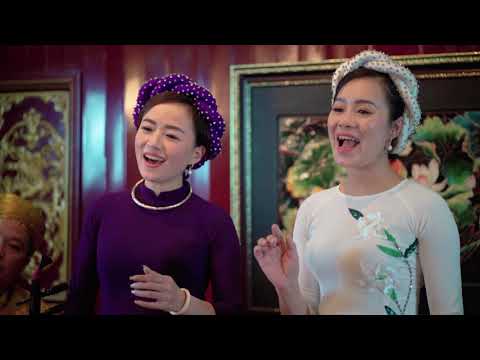
Hue Royal Court Music
In the stillness of dawn at the Imperial City, ancient melodies drift through vermillion pillars and golden dragons carved in stone. The haunting tones of the đàn bầu rise and fall like whispers from centuries past, while the rhythmic beats of bronze drums echo through courtyards where emperors once walked. This is Nhã nhạc cung đình Huế – the sublime music of Vietnam's royal heart.
Hue Royal Court Music, known in Vietnamese as Nhã nhạc cung đình Huế, represents the pinnacle of Vietnam's classical musical tradition. Recognized by UNESCO as a Masterpiece of Oral and Intangible Heritage of Humanity, this sophisticated art form served as the ceremonial soundtrack to the Nguyen Dynasty for over 140 years, embodying the refined aesthetics and spiritual philosophy of imperial Vietnam.
Melodies Born in the Dragon's Palace
The roots of Hue Royal Court Music stretch back to 1802, when Emperor Gia Long established the Nguyen Dynasty and made Hue the imperial capital. Drawing inspiration from Chinese court music traditions while incorporating distinctly Vietnamese elements, the imperial musicians created a unique musical language that would define royal ceremonies for generations.
Emperor Minh Mang, Gia Long's successor, played a crucial role in codifying and refining this musical tradition. Under his patronage, court musicians developed standardized compositions for specific rituals – from the coronation of emperors to seasonal ceremonies honoring ancestors and deities. The music became inseparable from the Mandate of Heaven concept, where harmonious melodies were believed to maintain cosmic balance and legitimize imperial rule.
The tradition faced its greatest challenge during the French colonial period and later conflicts, when the imperial system collapsed and many master musicians scattered. By the 1980s, this precious heritage teetered on the brink of extinction, with only a handful of elderly practitioners keeping the knowledge alive.
The Sacred Orchestra of Heaven and Earth
Hue Royal Court Music unfolds as a carefully orchestrated dialogue between heaven, earth, and humanity, expressed through an ensemble of traditional Vietnamese instruments that create layers of ethereal sound.
The musical ensemble, known as nhã nhạc, typically includes:
- Đàn tranh: A 16-string zither that provides melodic foundation
- Đàn bầu: The iconic one-string monochord producing haunting, sliding tones
- Đàn nguyệt: A two-string moon lute offering delicate accompaniment
- Sáo trúc: Bamboo flutes that soar above the ensemble like birdsong
- Trống: Various drums providing rhythmic structure
- Cồng chiêng: Bronze gongs marking ceremonial moments
The performance style emphasizes subtlety over showmanship. Musicians, dressed in traditional áo dài robes, sit in precise formations that mirror the hierarchical order of the imperial court. Each piece unfolds with meditative slowness, allowing every note to resonate fully before the next phrase begins. The tempo rarely exceeds walking pace, creating a sense of timeless dignity.
Vocal elements, when present, feature classical Vietnamese poetry sung in the hát ả đào style – a refined technique requiring years to master. The lyrics often reference Confucian virtues, natural imagery, and imperial glory, delivered with precise articulation that transforms words into musical instruments themselves.
The Harmony That Binds Heaven to Earth
Beyond its aesthetic beauty, Hue Royal Court Music served profound spiritual and social functions within Vietnamese imperial society. The music embodied the Confucian principle of nhã – meaning elegance, refinement, and moral cultivation – which distinguished it from folk entertainment.
During royal ceremonies, specific compositions accompanied different rituals: Đại triều nhạc for grand court assemblies, Tiểu triều nhạc for smaller audiences, and Yến nhạc for imperial banquets. Each musical selection reinforced the cosmic order, with the emperor positioned as the earthly representative of heaven's will.
The music also functioned as a form of cultural diplomacy, impressing foreign dignitaries with the sophistication of Vietnamese civilization. When performed correctly, it was believed to bring prosperity to the kingdom and harmony between the ruler and subjects.
For contemporary Vietnamese, Hue Royal Court Music represents a direct link to their cultural identity and historical continuity. It embodies values of patience, contemplation, and respect for tradition that contrast sharply with modern life's rapid pace.
Experiencing the Emperor's Melodies Today
Visitors to Hue can experience authentic royal court music performances at several venues throughout the former imperial capital, each offering unique perspectives on this ancient art form.
The Imperial City Complex
The most atmospheric performances occur within the Đại Nội (Imperial City) itself, where musicians perform in the same halls where emperors once held court. The Thai Hoa Palace hosts regular evening concerts, with traditional lanterns casting dancing shadows on performers dressed in period costumes. These performances typically last 45-60 minutes and include explanatory narration in Vietnamese and English.
Hue Royal Court Music Conservatory
For those seeking deeper understanding, the conservatory offers workshops where visitors can observe master musicians teaching students traditional techniques. These sessions provide intimate glimpses into the rigorous training required to master this art form, including the memorization of complex compositions passed down through oral tradition.
Festival Season
The biennial Hue Festival (typically held in April-May of even years) presents the most spectacular royal court music performances, with full orchestras performing in elaborate costumes against the backdrop of illuminated imperial architecture. International artists often collaborate with Vietnamese masters, creating fusion performances that honor tradition while exploring contemporary interpretations.
Practical Tips:
- Performances are weather-dependent when held outdoors
- Arrive 15 minutes early for optimal seating
- Photography is usually permitted but flash should be avoided
- Performances maintain traditional pacing – embrace the meditative rhythm rather than expecting Western-style entertainment
The best time to experience Hue Royal Court Music is during the cooler months from October to March, when outdoor performances are most comfortable and the city's imperial gardens provide the perfect backdrop for these timeless melodies that continue to whisper stories of Vietnam's royal past.
Featured Video
Dân ca Bình Trị Thiên - Ca Huế: Lý Mười Thương - lời sưu tầm - NS Hoài Nhi, NS Diệu Hiền
Heritage Details
Official Recognition Information
- Official Name (Vietnamese)
- Ca Huế
- Description
- Hue Singing, a captivating musical tradition from Vietnam's former imperial capital of Hue, showcases the nation's rich cultural heritage through its soulful melodies and intricate lyrical poetry.