Lamp Dance and Ancient Cheo Singing in Ngu Vong Phuong Festival
As twilight descends upon the ancient village, hundreds of flickering flames begin their ethereal dance through narrow cobblestone streets. The haunting melodies of chèo singers drift through the evening air, their voices carrying stories that have echoed through centuries. In this moment, the boundary between earth and heaven dissolves, and the spirits of ancestors seem to walk among the living once more.
The Ngu Vong Phuong Festival represents one of Vietnam's most enchanting cultural celebrations, where the mystical Lamp Dance (Múa Đèn) intertwines with the ancient art of Chèo singing to create a spiritual tapestry that has captivated hearts for over a millennium. This sacred festival, held annually in the northern provinces, transforms entire communities into living theaters where folklore, devotion, and artistic mastery converge in a spectacular display of Vietnamese cultural heritage.
Flames Born from Royal Devotion
The origins of the Ngu Vong Phuong Festival trace back to the Ly Dynasty (1009-1225), when Emperor Ly Thai To established this celebration to honor the Five Direction Guardians (Ngu Vong) – the protective spirits of North, South, East, West, and Center. Legend speaks of a divine vision that appeared to the emperor during a particularly turbulent period, where celestial beings bearing luminous lanterns descended from the heavens to offer protection and guidance.
The Chèo singing tradition emerged from the rice paddies and village squares of northern Vietnam during the same era, born from the daily lives of farmers who transformed their work songs into elaborate theatrical performances. These humble beginnings evolved into a sophisticated art form that became the voice of the common people, carrying their joys, sorrows, and hopes through generations.
As centuries passed, the lamp dance and chèo singing naturally merged during the festival, creating a unique cultural synthesis where light becomes movement, and song becomes prayer.
The Sacred Choreography of Light and Voice
The festival unfolds over three mystical nights, each dedicated to different aspects of spiritual communion and community celebration.
The Art of Lamp Dancing
The Múa Đèn requires extraordinary skill and years of training. Performers, known as đèn sư (lamp masters), manipulate intricate paper lanterns crafted in the shapes of:
- Dragons (rồng) - symbolizing imperial power and good fortune
- Phoenixes (phượng) - representing rebirth and feminine grace
- Lotus flowers (sen) - embodying purity and enlightenment
- Carp (cá chép) - signifying perseverance and transformation
Each lantern contains dozens of small oil lamps or modern LED lights, creating mesmerizing patterns as dancers weave through choreographed sequences. The movements follow ancient principles:
- Flowing water motions that represent life's continuous journey
- Spiraling ascents that symbolize prayers rising to heaven
- Circular formations that honor the cyclical nature of existence
- Synchronized breathing that connects performers with cosmic rhythms
The Timeless Voice of Chèo
Chèo performances during the festival feature traditional stories of heroism, romance, and moral instruction. The singers, dressed in vibrant silk costumes, employ distinctive vocal techniques:
- Hát nói - a speech-song style that narrates the story
- Hát xẩm - melodic passages that express deep emotions
- Hát ru - lullaby-like sections that soothe and comfort
- Hát hò - call-and-response segments that engage the audience
The musical accompaniment includes traditional instruments such as the đàn bầu (monochord), trống (drums), chiêng (gongs), and sáo trúc (bamboo flute), creating a sonic landscape that transports listeners to ancient Vietnam.
Where Earth Meets Heaven
The Ngu Vong Phuong Festival serves as far more than entertainment – it functions as a vital spiritual bridge connecting the living with ancestral spirits and cosmic forces. The lamp dance creates a sacred geometry in space, with each movement believed to channel protective energy throughout the community.
The chèo singing provides moral instruction wrapped in captivating storytelling, reinforcing cultural values such as filial piety, social harmony, and respect for nature. Elder community members often describe the festival as a time when the veil between worlds grows thin, allowing for direct communication with departed ancestors and guardian spirits.
Children learn traditional values through participation, while adults find renewal and connection to their cultural roots. The festival strengthens community bonds as families work together for months preparing costumes, rehearsing performances, and crafting the elaborate lanterns that will carry their prayers skyward.
A Pilgrimage Through Living Heritage
When to Experience the Magic
The Ngu Vong Phuong Festival typically occurs during the eighth lunar month (usually September-October), with the exact dates varying by location. The most authentic celebrations take place in:
Northern Heartlands
Ha Nam Province hosts the most renowned festival at Phuong Hoang Temple, where over 500 lamp dancers create breathtaking formations against the backdrop of ancient architecture. Arrive early afternoon to witness preparation rituals and secure viewing positions for the evening performances.
Nam Dinh Province offers a more intimate experience at Co Trach Village, where visitors can participate in lantern-making workshops and learn basic chèo singing techniques from master artists.
What Awaits the Respectful Visitor
- Traditional food stalls serving festival specialties like bánh ít (small dumplings) and chè đậu đỏ (red bean sweet soup)
- Artisan workshops where skilled craftspeople demonstrate lantern construction techniques
- Interactive performances where audience participation enhances the communal experience
- Sacred ceremonies including incense offerings and prayer rituals
Respectful participation requires modest dress, removal of shoes in temple areas, and quiet observation during spiritual moments. Photography is generally welcomed during performances but should be avoided during solemn prayer ceremonies.
The Ngu Vong Phuong Festival offers modern travelers a rare glimpse into Vietnam's spiritual heart, where ancient wisdom dances with flickering flames and timeless voices carry the dreams of generations across the starlit sky.
Featured Video
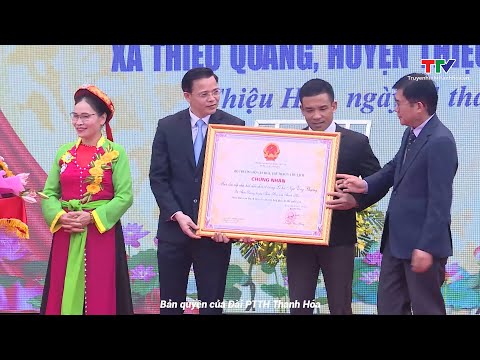
Đón nhận Di sản văn hoá phi vật thể QG nghệ thuật dân gian “Múa đèn xếp chữ và hát chèo chải cổ”
Heritage Details
Official Recognition Information
- Official Name (Vietnamese)
- Múa đèn xếp chữ, hát chèo chải cổ trong Lễ hội Ngư Võng Phường
- Description
- The Ngu Vong Phuong Festival in Vietnam showcases the captivating Lamp Dance and the ancient Cheo Singing, a centuries-old tradition that celebrates the country's rich cultural heritage and spiritual connection to the land.