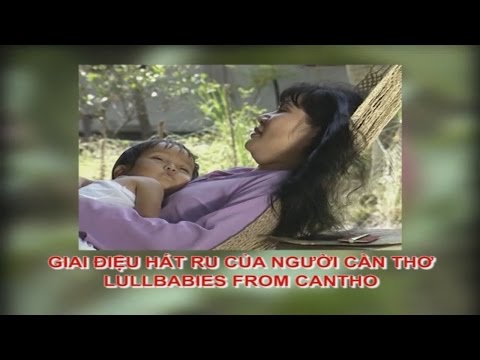
Lullaby Singing of the Viet in Can Tho
In the quiet hours before dawn, when the Mekong Delta slumbers beneath a blanket of mist, gentle voices drift through the wooden houses of Can Tho. Mothers cradle their children, their soft melodies weaving through the humid air like silk threads, carrying ancient wisdom and boundless love in every note.
The lullaby singing of the Viet people in Can Tho represents one of Vietnam's most intimate and enduring cultural treasures. This traditional practice, known as "hát ru" in Vietnamese, transforms the simple act of putting a child to sleep into a profound cultural transmission, where mothers and grandmothers pass down centuries of folklore, moral teachings, and emotional heritage through tender melodies that have echoed through the Mekong Delta for generations.
Melodies Born from River Waters
The origins of Viet lullabies in Can Tho trace back to the early settlement of the Mekong Delta, when Vietnamese pioneers ventured south during the 17th and 18th centuries. As families established new communities along the fertile riverbanks, mothers found themselves far from their ancestral homes, carrying only memories and songs as connections to their heritage.
These early settlers adapted their traditional northern lullabies to reflect their new environment. The rhythmic flow of the Mekong River influenced the cadence of their songs, while the abundance of the delta inspired lyrics celebrating rice harvests, floating markets, and the gentle sway of coconut palms. Over time, these adaptations evolved into a distinct regional style that captured both the nostalgia for distant homelands and the hope for prosperity in their new delta home.
The Can Tho lullaby tradition particularly flourished during the Nguyen Dynasty, when the city emerged as a major commercial hub. Merchants' wives, often left alone while their husbands traveled the waterways, developed elaborate song cycles that could occupy entire evenings, creating musical narratives that entertained children while strengthening family bonds across generations.
The Sacred Art of Hát Ru
The practice of hát ru in Can Tho encompasses far more than simple melodies. It represents a sophisticated oral tradition with specific techniques, themes, and cultural protocols that mothers learn through careful observation and practice.
Musical Elements
Traditional Can Tho lullabies follow distinctive musical patterns:
- Pentatonic scales that create haunting, meditative qualities
- Repetitive refrains that induce drowsiness while reinforcing key messages
- Improvised verses allowing mothers to personalize songs for individual children
- Call-and-response sections that engage older children as participants
Lyrical Themes
The content of these lullabies reveals the hopes, fears, and values of Viet families in the delta:
- Nature imagery: References to lotus flowers, rice fields, and river fish
- Moral instruction: Stories teaching honesty, filial piety, and hard work
- Family history: Genealogical information and ancestral achievements
- Future aspirations: Dreams of education, success, and happiness for the child
- Religious elements: Buddhist and Confucian teachings woven into gentle narratives
Performance Traditions
Authentic hát ru follows time-honored practices:
- Evening timing: Typically performed between 7-9 PM when families gather
- Physical positioning: Child cradled in arms or lying beside the singer
- Vocal technique: Soft, breathy delivery that gradually decreases in volume
- Seasonal variations: Different song cycles for different times of year
- Generational participation: Grandmothers often leading while mothers learn
Threads That Bind Hearts Across Time
The significance of lullaby singing extends far beyond its immediate function of helping children sleep. In Can Tho's Viet communities, hát ru serves as a cornerstone of cultural identity and family cohesion.
These intimate musical moments create profound emotional bonds between caregivers and children. Research has shown that children who grow up with traditional lullabies demonstrate stronger connections to their cultural heritage and often become the most dedicated preservers of family traditions as adults.
The practice also serves crucial educational functions. Through repetitive exposure to these songs, children unconsciously absorb proper Vietnamese pronunciation, traditional values, and historical knowledge. Many adults in Can Tho can recite dozens of lullabies learned in childhood, complete with complex moral lessons and cultural references they may not have fully understood until reaching adulthood.
Furthermore, hát ru provides emotional support for mothers and grandmothers themselves. The meditative quality of singing these familiar songs offers comfort during stressful periods, while the act of passing on cherished traditions creates a sense of purpose and cultural continuity.
In times of social change and modernization, these lullabies serve as anchors to authentic Vietnamese identity, helping families maintain connections to their roots while adapting to contemporary life in the bustling delta city.
Experiencing the Gentle Magic of Hát Ru
Visitors to Can Tho can encounter this beautiful tradition through several authentic cultural experiences, though the intimate nature of lullaby singing requires respectful and sensitive approaches.
Cultural Centers and Museums
The Can Tho Museum occasionally hosts evening programs featuring traditional lullaby demonstrations by local grandmothers. These presentations typically occur during the full moon of each lunar month and provide context about the songs' meanings and cultural significance.
The Cai Rang Cultural House offers workshops where visitors can learn simple lullaby melodies and understand their role in Vietnamese family life. These sessions, conducted in Vietnamese with English interpretation available, take place on Saturday afternoons.
Homestay Experiences
Several family-run homestays in Can Tho's rural districts offer opportunities to witness authentic lullaby singing in natural settings. The Mekong Delta Homestay Network can arrange stays with families who maintain traditional practices, though visitors should understand that observing these intimate moments requires building trust and demonstrating genuine cultural respect.
Floating Market Dawn Tours
Early morning boat trips to Cai Rang Floating Market sometimes include stops at riverside homes where families are beginning their daily routines. Sensitive tour guides may arrange brief visits where travelers can hear morning lullabies as mothers prepare young children for the day ahead.
Festival Opportunities
During the Mid-Autumn Festival (Tết Trung Thu) in Can Tho, public parks and cultural venues host family-oriented celebrations where lullaby singing often occurs naturally as part of evening activities. The Ninh Kieu Wharf area becomes particularly active with multigenerational families sharing traditional songs under the lantern-lit sky.
Visitors seeking to experience hát ru should approach with patience and cultural sensitivity, understanding that these songs represent sacred family traditions rather than entertainment performances. The most meaningful encounters often arise through genuine relationships built over time, making extended stays in Can Tho the most rewarding approach for those truly interested in understanding this gentle art form's profound beauty and significance.
Featured Video
Giai Điệu Hát Ru Của Người Cần Thơ [Du Lịch Văn Hóa Việt Nam]
Heritage Details
Official Recognition Information
- Official Name (Vietnamese)
- Hát ru của người Việt ở Cần Thơ
- Description
- The Vietnamese National Heritage: Lullaby Singing of the Viet in Can Tho is a captivating cultural tradition that showcases the soothing melodies and heartfelt lyrics passed down through generations, preserving the rich heritage of Vietnam's Mekong Delta region.