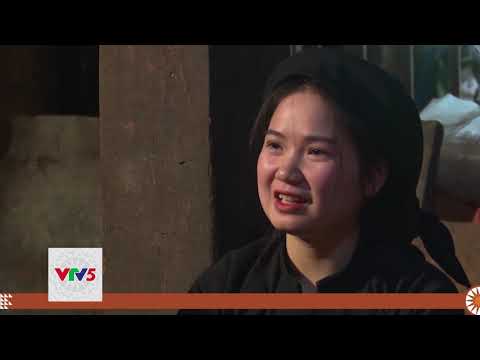
Luon Coi: The Soulful Melodies of the Tay People
In the mist-shrouded valleys of northern Vietnam, where bamboo groves whisper ancient secrets and mountain streams sing eternal songs, the haunting notes of the luon coi drift through the evening air. This simple yet profound musical tradition of the Tay people transforms ordinary bamboo into vessels of emotion, carrying love songs, lullabies, and the very essence of mountain life across generations.
The luon coi represents one of Vietnam's most intimate folk music traditions—a bamboo mouth organ unique to the Tay ethnic minority that serves as both musical instrument and cultural storyteller. Unlike its more elaborate cousins found throughout Southeast Asia, the luon coi embodies the Tay philosophy of finding profound beauty in simplicity, creating complex harmonies from humble mountain bamboo.
Whispers from the Ancient Valleys
The origins of the luon coi stretch back over a millennium, woven into the very fabric of Tay civilization in the mountainous regions of northern Vietnam. According to Tay oral tradition, the instrument was born from a love story as old as the mountains themselves—a young man crafted the first luon coi to communicate with his beloved across the valleys, using its unique tones to express emotions that words could never capture.
Historical records suggest that the Tay people, who migrated from southern China centuries ago, brought with them sophisticated musical traditions that evolved in isolation among Vietnam's northern peaks. The luon coi emerged as their signature instrument, perfectly adapted to the acoustic properties of mountain valleys where its resonant tones could travel great distances, serving as both entertainment and long-distance communication.
During the feudal periods, Tay communities used the luon coi in elaborate courtship rituals and seasonal festivals, with master players achieving legendary status within their villages. The instrument became so integral to Tay identity that no major life event—from births to harvests to funerals—was considered complete without its melodic presence.
The Art of Bamboo Harmony
The construction and performance of the luon coi represents a masterclass in acoustic engineering using only natural materials. Crafted from carefully selected bamboo varieties found in the high mountains, each instrument requires weeks of patient preparation and tuning.
The traditional luon coi consists of:
- Six bamboo pipes of varying lengths, each producing distinct tones
- A wind chest carved from a single piece of seasoned bamboo
- Reed mechanisms fashioned from thin bamboo strips
- Beeswax sealing to ensure proper air flow and tone quality
Master craftsmen, known as thay lam nhac (music makers), select bamboo during specific lunar phases when the fiber density is optimal. The pipes are then heated, shaped, and tuned using techniques passed down through generations, with each instrument taking on unique tonal characteristics based on the bamboo's origin and the maker's individual style.
Performance of the luon coi requires extraordinary breath control and finger dexterity. Players use a technique called tho dai (long breathing), allowing them to maintain continuous melodies for several minutes while simultaneously controlling multiple pipes. The most skilled performers can create the illusion of multiple instruments playing in harmony, weaving complex polyrhythmic patterns that mirror the natural sounds of mountain forests.
Traditional repertoires include:
- Hat then - spiritual songs for communicating with ancestors
- Hat sli - romantic ballads for courtship
- Hat con - lullabies and children's songs
- Hat cua dinh - ceremonial music for festivals and rituals
The Voice of Mountain Spirits
Within Tay cosmology, the luon coi serves as far more than entertainment—it functions as a spiritual bridge connecting the human world with the realm of ancestors and nature spirits. The instrument's ability to produce harmonious tones from simple bamboo reflects the Tay belief in finding sacred harmony within natural simplicity.
During then ceremonies—the Tay people's most important spiritual rituals—the luon coi accompanies shamanic practices designed to ensure community health, agricultural prosperity, and spiritual protection. The instrument's multi-tonal capabilities are believed to speak directly to different categories of spirits, with specific melodies reserved for mountain gods, water spirits, and ancestral guardians.
The communal aspect of luon coi performance strengthens village bonds and preserves cultural knowledge. Evening gatherings where elders play traditional melodies serve as informal schools where younger generations absorb not only musical techniques but also historical narratives, moral teachings, and ecological wisdom embedded within the songs.
For the Tay people, mastery of the luon coi represents a form of cultural leadership, with accomplished players often serving as community mediators, ritual specialists, and keepers of oral traditions. The instrument thus functions as both artistic expression and social institution, maintaining cultural continuity across generations.
Experiencing the Living Tradition
Where to Encounter Luon Coi
The most authentic luon coi experiences await visitors in the traditional Tay villages scattered throughout northern Vietnam's mountainous provinces:
Cao Bang Province: The villages around Ban Gioc Falls and Phia Oac National Park offer regular cultural performances, particularly during the Long Tong festival (February-March) when entire communities gather for agricultural ceremonies featuring extensive luon coi music.
Lang Son Province: The Tay communities near the Chinese border maintain some of the oldest luon coi traditions, with several villages offering homestay programs where visitors can observe instrument-making and participate in evening musical gatherings.
Ha Giang Province: Remote villages in the Dong Van Karst Plateau provide opportunities to witness luon coi music in its most traditional context, often integrated with then spiritual ceremonies.
Planning Your Visit
The ideal time to experience luon coi culture coincides with major Tay festivals:
- Long Tong Festival (February-March): Agricultural celebration featuring elaborate musical competitions
- Kin Chieu Festival (October): Harvest thanksgiving with community-wide performances
- Then Ceremony (Various dates): Spiritual rituals where luon coi plays a central role
Most Tay villages welcome respectful visitors interested in their musical heritage. Many communities now offer workshops where travelers can learn basic luon coi techniques and even craft simple instruments under master guidance. These immersive experiences typically last 2-3 days and include traditional meals, cultural presentations, and opportunities to participate in village musical gatherings.
When visiting, remember that the luon coi represents sacred cultural heritage deserving of respectful observation. Photography and recording should always be requested politely, and visitors should be prepared to engage with the music as participants rather than passive observers—the Tay tradition emphasizes community involvement over performance for outsiders.
Featured Video
[TIẾNG TÀY] LƯỢN CỌI CỦA NGƯỜI TÀY PÁC NẶM | VTV5
Heritage Details
Official Recognition Information
- Official Name (Vietnamese)
- Lượn Cọi của người Tày
- Description
- Nestled in the picturesque northern Vietnamese province of Cao Bang, the Luon Coi of the Tay ethnic group offers a captivating glimpse into their rich cultural heritage, showcasing their intricate weaving traditions and traditional wooden stilt houses.