Luon Coi of the Tay: Ancient Melodies of the Northern Mountains
In the misty highlands of northern Vietnam, where ancient forests meet terraced fields, the haunting sound of bamboo pipes drifts through mountain valleys. Each note carries the weight of generations, weaving stories of love, loss, and the eternal bond between the Tay people and their ancestral lands.
Luon Coi represents one of Vietnam's most enchanting musical traditions, a sophisticated bamboo panpipe ensemble that has echoed through the mountains of the northern provinces for over a millennium. This ethereal art form, practiced exclusively by the Tay ethnic minority, transforms simple bamboo into an orchestra capable of expressing the deepest human emotions and connecting communities to their spiritual heritage.
Songs Born from Sacred Groves
The origins of Luon Coi stretch back to the early centuries of Vietnamese civilization, when the Tay people first settled in the fertile valleys of what is now Cao Bang, Lang Son, and Bac Kan provinces. According to Tay oral tradition, the music was born from a divine encounter between a young shepherd and the mountain spirits who taught him to cut and tune bamboo pipes to mirror the songs of birds and the whispers of wind through rice terraces.
Historical records suggest that Luon Coi reached its artistic zenith during the Ly Dynasty (1009-1225), when cultural exchange between the Viet majority and ethnic minorities flourished. The Tay musicians developed increasingly complex arrangements, creating a musical language that could convey everything from daily agricultural rhythms to profound spiritual ceremonies. Unlike many folk traditions that evolved through individual expression, Luon Coi was always conceived as a collective art form, requiring multiple musicians to achieve its full harmonic potential.
The Symphony of Bamboo Voices
At its heart, Luon Coi is an intricate dance between breath, bamboo, and collective harmony. The ensemble typically consists of six to twelve musicians, each playing a different set of ống sáo (bamboo pipes) that produce distinct tonal ranges. The instruments are crafted from tre gai (female bamboo), carefully selected during specific lunar phases when the bamboo's moisture content creates optimal resonance.
The musical structure follows ancient patterns:
• Coi Mo - Opening melodies that invoke ancestral spirits
• Coi Chinh - The main melodic themes telling stories or celebrating seasons
• Coi Ket - Closing harmonies that return the music to the spiritual realm
Each musician masters not only their individual part but also the subtle art of hoi tho (collective breathing), ensuring that the music flows without interruption. The lead player, known as the thay coi, guides the ensemble through complex transitions using barely perceptible hand gestures and changes in breathing rhythm. The resulting sound is otherworldly - a shimmering cascade of notes that seems to emerge from the landscape itself rather than from human instruments.
The performance attire holds equal significance, with musicians wearing traditional ao dai Tay in deep indigo, their silver ornaments catching moonlight during evening performances. The visual harmony reinforces the musical unity, creating a complete sensory experience that transports listeners into the mystical world of Tay cosmology.
Bridges Between Worlds
For the Tay people, Luon Coi serves as far more than entertainment - it functions as a spiritual bridge connecting the living community with ancestors, nature spirits, and cosmic forces. The music plays essential roles in major life transitions: welcoming newborns, blessing marriages, honoring the deceased, and marking seasonal agricultural cycles.
During the Cap Sac (coming-of-age) ceremony, young Tay men and women listen to specific Luon Coi melodies that encode cultural wisdom and moral teachings. The music's complex harmonies mirror the community's belief in interconnectedness - individual notes mean little alone, but together they create something transcendent. This philosophy extends beyond music into Tay social organization, where collective harmony takes precedence over individual achievement.
The spiritual dimension becomes most apparent during Le Cau Mua (rain-calling ceremonies), when Luon Coi ensembles perform throughout the night, their music rising and falling like the mountain mists, calling upon water spirits to bless the rice fields. Elders believe that the bamboo pipes channel the voice of Ban Vuong, the legendary Tay ancestor-king, making their prayers more likely to reach the celestial realm.
Following the Mountain Melodies
Where to Experience Luon Coi
The most authentic Luon Coi performances occur in traditional Tay villages scattered throughout northern Vietnam's mountainous provinces. Ban Gioc village in Cao Bang province offers regular evening performances, particularly during the full moon when acoustic conditions are optimal. The nearby Pac Bo Cave area, historically significant as Ho Chi Minh's revolutionary base, also hosts cultural programs featuring Luon Coi alongside other Tay traditions.
Bac Son Valley in Lang Son province provides another excellent venue, where the dramatic limestone karst landscape creates natural amphitheaters perfect for the music's ethereal qualities. Local homestays often arrange private performances, allowing visitors to experience the intimate, contemplative atmosphere that Luon Coi was designed to create.
Planning Your Visit
The ideal time to witness Luon Coi is during major Tay festivals, particularly Long Tong (Going to the Field Festival) in early spring, when entire communities gather to bless the agricultural season. The autumn Kin Chieng (New Rice Festival) also features extensive musical performances as communities celebrate successful harvests.
For the most immersive experience, consider staying in traditional nha san (stilt houses) where you can wake to the sound of practice sessions and participate in the daily rhythms that inspire the music. Many Tay families welcome respectful visitors who show genuine interest in learning about their cultural heritage, offering opportunities to observe instrument-making processes and understand the deep cultural contexts that give Luon Coi its profound meaning.
Featured Video
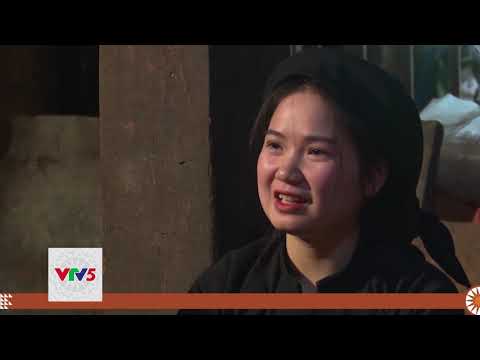
[TIẾNG TÀY] LƯỢN CỌI CỦA NGƯỜI TÀY PÁC NẶM | VTV5
Heritage Details
Official Recognition Information
- Official Name (Vietnamese)
- Lượn Cọi của người Tày
- Description
- Nestled in the picturesque northern Vietnamese province of Cao Bang, the Luon Coi of the Tay ethnic group offers a captivating glimpse into their rich cultural heritage, showcasing their intricate weaving traditions and traditional wooden stilt houses.