Mo Tham That Ritual of the Tay
In the misty mountains of northern Vietnam, where ancient valleys cradle time-honored secrets, the haunting melodies of the Mo Tham That drift through the night air. Candlelight flickers against weathered faces as Tay shamans weave between worlds, their voices carrying the hopes and sorrows of generations into the realm of spirits.
The Mo Tham That stands as one of the most profound and mystical rituals of the Tay people, Vietnam's largest ethnic minority. This sacred ceremony, whose name translates to "the ritual of crossing to the other world," serves as a spiritual bridge connecting the living with their ancestors and the divine realm. Recognized as an Intangible Cultural Heritage, this ancient practice embodies centuries of Tay cosmology, healing traditions, and community bonds.
Whispers from the Ancient Valleys
The origins of Mo Tham That stretch back through countless generations, emerging from the Tay people's animistic worldview that sees spirits dwelling in every mountain, river, and forest. According to Tay oral tradition, the ritual was first revealed to a legendary shaman named Pu No, who received divine visions during a period of great suffering in his community.
The practice flourished during the Le Dynasty (1428-1788), when the Tay people enjoyed relative autonomy in their highland territories. During this golden age, the Then singing tradition—which forms the musical foundation of Mo Tham That—evolved into its current sophisticated form. The ritual became deeply intertwined with the Tay calendar, marking crucial transitions in both individual lives and community cycles.
Colonial periods and modern upheavals threatened this sacred tradition, but the resilience of Tay elders ensured its survival. Today, Mo Tham That represents not just a religious practice, but a living testament to the Tay people's cultural endurance and spiritual wisdom.
The Sacred Theater of Souls
The Mo Tham That unfolds as an intricate spiritual drama, orchestrated by master shamans called Mo who have undergone years of rigorous training. These ritual specialists serve as intermediaries between the human and spirit worlds, possessing deep knowledge of ancient chants, ceremonial protocols, and healing practices.
The Ritual Elements
The ceremony centers around several key components that work in harmony to create a transformative spiritual experience:
- Then Singing: Melodic chants performed in the ancient Tay language, each verse carefully structured to invoke specific spirits
- Tinh Tau: A two-stringed lute that provides the haunting musical accompaniment, its notes believed to guide spirits to the ceremony
- Sacred Offerings: Elaborate displays of rice wine, fruits, incense, and specially prepared foods arranged on ancestral altars
- Ritual Costumes: Ornate garments worn by the Mo, featuring intricate embroidery and symbolic colors that represent different spiritual realms
The Ceremonial Journey
A complete Mo Tham That ceremony unfolds over several hours, sometimes extending through entire nights. The ritual follows a precise sequence:
Opening Invocations: The Mo begins by purifying the sacred space and calling upon protective spirits to oversee the ceremony.
Spirit Summoning: Through increasingly intense Then singing, the shaman invites ancestors and deities to descend and participate in the ritual.
Divine Communication: In a trance-like state, the Mo serves as a vessel for spiritual messages, offering guidance, healing, and blessings to participants.
Offering Presentations: Community members present their gifts to the spirits, seeking intervention for health, prosperity, and protection.
Sacred Feast: The ceremony concludes with a communal meal where blessed food is shared, symbolizing the unity between the living and the dead.
Threads That Bind Heaven and Earth
The Mo Tham That serves multiple profound functions within Tay society, operating simultaneously as a healing practice, community ritual, and spiritual philosophy. At its core, the ceremony reinforces the Tay belief that existence encompasses multiple interconnected realms, with the living world being just one dimension of a vast cosmic tapestry.
For individuals, the ritual provides crucial spiritual services: healing for physical and mental ailments, guidance during life transitions, and protection from malevolent forces. The Mo diagnoses spiritual imbalances and prescribes remedies that blend herbal medicine with ritual purification.
On a community level, Mo Tham That strengthens social bonds and cultural identity. The ceremony brings together extended families and neighbors, reinforcing traditional values and passing cultural knowledge to younger generations. The shared experience of witnessing the sacred drama creates collective meaning and mutual support networks.
The ritual also serves as a repository of Tay cultural memory, preserving ancient stories, genealogies, and moral teachings within its chanted verses. Each performance becomes a living library, transmitting wisdom that might otherwise be lost to time.
Journeying to the Sacred Mountains
Visitors seeking to witness the Mo Tham That ritual should prepare for a deeply moving cultural encounter that demands respect and sensitivity. The ceremony is not a performance but a sacred act of faith, requiring appropriate behavior and genuine appreciation for its spiritual significance.
Where to Experience the Ritual
Cao Bang Province offers the most authentic opportunities to witness Mo Tham That, particularly in rural communes where Tay communities maintain strong traditional practices. The provincial capital provides access to nearby villages, while local cultural centers can arrange respectful visits during appropriate ceremonial times.
Lang Son Province also hosts significant Tay populations where the ritual continues to thrive. The mountainous border region maintains many traditional practices, and community elders often welcome respectful observers during major festivals.
Ha Giang Province presents additional opportunities, especially in remote valleys where ancient customs remain largely unchanged by modern influences.
Planning Your Visit
The most meaningful encounters with Mo Tham That occur during traditional festivals and life-cycle ceremonies. The Tay New Year celebration and harvest festivals often feature elaborate rituals, while healing ceremonies may be arranged through respectful community contacts.
Visitors should approach local cultural centers or ethnic minority tourism offices to arrange appropriate introductions. Direct contact with communities should always occur through proper intermediaries who can ensure mutual respect and cultural sensitivity.
Remember that Mo Tham That represents a living spiritual tradition deserving the same reverence you would show in any sacred space. Photography and recording should only occur with explicit permission, and participants should dress modestly and follow all ceremonial protocols explained by their hosts.
The journey to witness this ancient ritual offers more than cultural tourism—it provides a window into humanity's enduring quest for meaning, healing, and connection with the divine mysteries that surround us all.
Featured Video
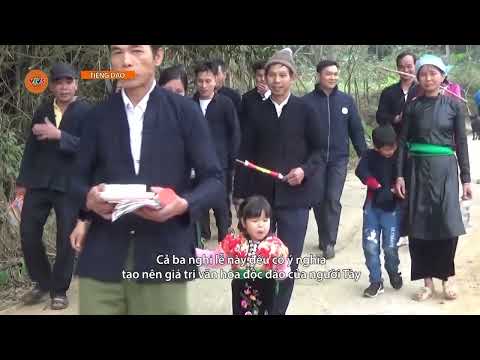
[TIẾNG DAO] KHÁM PHÁ DI SẢN VĂN HÓA: NGHI LỄ MO THAM THÁT CỦA DÂN TỘC TÀY LÀO CAI | VTV5
Heritage Details
Official Recognition Information
- Official Name (Vietnamese)
- Nghi lễ Mo Tham Thát của người Tày
- Description
- The Mo Tham That ritual, a captivating cultural heritage of the Tay people in northern Vietnam, showcases the mystical connection between the living and the divine through intricate music, dance, and ceremonial practices.