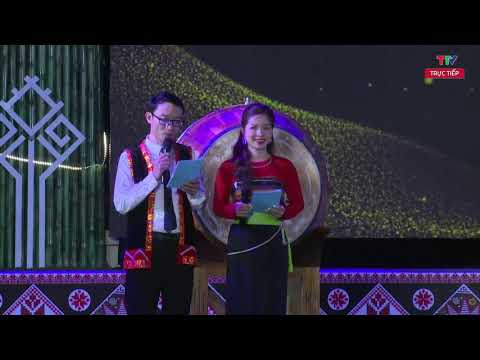
Muong Ca Da Festival
In the mist-shrouded valleys of Cao Bang, where ancient limestone peaks pierce the clouds like sleeping dragons, the rhythmic beating of bronze drums echoes through mountain villages. The air fills with the aroma of sticky rice and the melodic chants of the Tay people, calling their ancestors home for a celebration that has endured for over a thousand years.
Deep in the northern borderlands of Vietnam, the Muong Ca Da Festival stands as one of the most sacred and vibrant celebrations of the Tay ethnic minority. This annual spring festival, whose name translates to "Festival of the Stone Field," transforms the remote valleys of Cao Bang Province into a living tapestry of ancient rituals, community bonds, and spiritual reverence that connects the present generation with their ancestral roots.
Whispers from the Ancient Stone Fields
The origins of Muong Ca Da trace back to the early centuries of Vietnamese civilization, when Tay communities first settled in the limestone karst landscapes of what is now Cao Bang Province. Legend speaks of a time when the region was plagued by natural disasters and poor harvests, threatening the survival of entire villages.
According to Tay oral tradition, the festival was born from a divine vision received by a village elder who dreamed of ancestral spirits dwelling among the stone formations that dot the landscape. These spirits, the elder learned, required proper veneration and offerings to ensure the protection and prosperity of the living. The first Muong Ca Da ceremony was held at a sacred stone field, where the community gathered to honor both their ancestors and the land spirits, or phi muong, believed to govern the fertility of their rice terraces and the harmony of village life.
Historical records suggest the festival gained prominence during the Ly Dynasty (1009-1225), when the Vietnamese court recognized and protected the cultural practices of ethnic minorities. Over the centuries, Muong Ca Da evolved from a simple harvest blessing into an elaborate three-day celebration that encompasses every aspect of Tay spiritual and social life.
The Sacred Choreography of Mountain Spirits
The heart of Muong Ca Da lies in its intricate blend of ritual ceremonies, traditional performances, and community festivities that unfold like chapters in an ancient epic. The festival follows a carefully orchestrated sequence that has remained largely unchanged for generations.
The celebration begins before dawn on the first day with the Then ritual, a shamanic ceremony where spiritual mediums, called tac then, enter trance states to communicate with ancestors and mountain spirits. These gifted individuals, adorned in elaborate costumes featuring:
- Indigo-dyed robes embroidered with silver threads
- Ornate headdresses crowned with peacock feathers and silver ornaments
- Sacred amulets and bronze bells that chime with each movement
The tac then perform hypnotic dances while playing the tinh tau, a traditional two-stringed lute whose haunting melodies are believed to bridge the worlds of the living and the dead. The ceremony takes place around meticulously arranged altars featuring offerings of sticky rice, roasted pork, rice wine, and incense.
Following the Then ritual, the festival explodes into a kaleidoscope of cultural activities:
- Cap sac ceremonies: Coming-of-age rituals for young Tay men and women
- Traditional wrestling matches held in village courtyards
- Folk song competitions where singers engage in melodic dialogues
- Textile exhibitions showcasing intricate Tay weaving techniques
- Culinary competitions featuring specialties like khau tom (sticky rice balls) and men men (corn wine)
The climax occurs on the second evening with the Sli dance, a mesmerizing group performance where dozens of participants move in synchronized patterns around a sacred fire, their movements mimicking the flow of mountain rivers and the flight of cranes.
Threads That Bind Mountain Communities
Beyond its spectacular visual elements, Muong Ca Da serves as the spiritual and social cornerstone of Tay community life. The festival embodies the concept of muong, which encompasses not just a geographical territory but a complex web of kinship, spiritual beliefs, and collective responsibility that defines Tay identity.
For the Tay people, the festival represents a sacred covenant with their ancestors and the natural world. The stone fields that give the festival its name are viewed as portals where the spirits of the deceased continue to watch over their descendants. Through elaborate offerings and rituals, the living demonstrate their respect and seek blessings for health, prosperity, and harmony.
The celebration also reinforces social bonds and cultural transmission. Young people learn traditional songs, dances, and crafts from their elders, ensuring the continuity of Tay heritage. Marriage negotiations often take place during the festival, as families from different villages come together in an atmosphere of celebration and goodwill.
The festival's emphasis on community cooperation reflects the Tay philosophy of nam pom, which emphasizes collective well-being over individual gain. From the preparation of communal meals to the organization of ceremonies, every aspect of Muong Ca Da requires collaboration and mutual support.
Journey to the Sacred Valleys
Experiencing Muong Ca Da requires both careful planning and a spirit of adventure, as the festival takes place in some of Vietnam's most remote and spectacular mountain regions.
When to Visit
The festival typically occurs in the third lunar month (usually April or May), with dates varying slightly between villages. The celebration lasts three days, with the most significant ceremonies taking place on the second day. Weather during this period is generally pleasant, with mild temperatures and occasional spring rains that add to the mystical atmosphere.
Getting There
The primary celebration sites are located in:
- Tra Linh District: Home to the most authentic and traditional ceremonies
- Quang Uyen District: Known for its spectacular mountain scenery and large-scale festivities
- Cao Bang City: Offers more accessible celebrations with modern accommodations
From Hanoi, the journey takes approximately 6-8 hours by car or bus through winding mountain roads that offer breathtaking views of terraced rice fields and limestone formations. Local tour operators in Cao Bang City can arrange transportation to festival sites and provide cultural interpreters.
What to Expect
Visitors should prepare for a deeply immersive cultural experience that may challenge modern comfort expectations. Accommodations range from basic guesthouses to homestays with Tay families, offering unprecedented insights into daily life in these mountain communities.
The festival welcomes respectful observers, but visitors should dress modestly and follow local customs, particularly during sacred ceremonies. Photography is generally permitted but should be done discretely and with permission during religious rituals.
The remote location and authentic nature of Muong Ca Da make it one of Vietnam's most rewarding cultural experiences for travelers seeking to witness living traditions in their original context, far from the commercialization that has affected many other festivals.
Featured Video
Lễ hội Mường Ca Da lần thứ 4- Huyện Quan Hoá- 2023
Heritage Details
Official Recognition Information
- Official Name (Vietnamese)
- Lễ hội mường Ca Da
- Description
- The Muong Ca Da Festival in Hoa Binh, Vietnam celebrates the unique cultural heritage of the Muong people, showcasing their vibrant traditions, captivating music, and traditional culinary delights in a lively and immersive annual celebration.