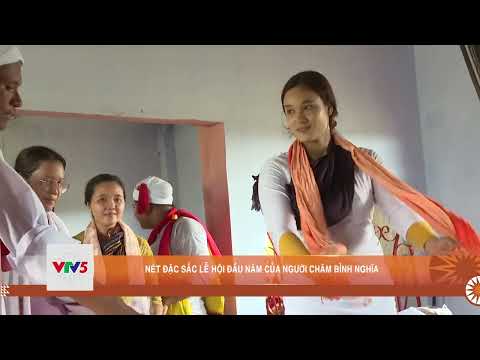
New Year Ritual of the Cham in Binh Nghia Village
The first light of dawn filters through the ancient Po Nagar towers as the rhythmic beat of ginang drums echoes across Binh Nghia Village. Incense smoke spirals upward, carrying prayers and hopes for the new year, while elderly Cham priests in white turbans chant sacred verses that have resonated through these hills for over a millennium. This is Kate, the most sacred time in the Cham calendar, when the living honor their ancestors and welcome prosperity into their homes.
In the heart of Ninh Thuan Province, the Cham people of Binh Nghia Village preserve one of Vietnam's most profound spiritual traditions. The New Year Ritual, known as Kate (pronounced "Ka-tay"), represents far more than a calendar celebration—it is a sacred bridge connecting the earthly realm with the divine, the present generation with their ancestors, and the community with the cosmic forces that govern their agricultural and spiritual lives.
Whispers from the Kingdom of Champa
The roots of Kate stretch back over a thousand years to the golden age of the Champa Kingdom, when mighty rulers like Jaya Indravarman II commanded respect from the South China Sea to the Mekong Delta. As Hindu and later Islamic influences merged with indigenous beliefs, the Cham developed a unique spiritual calendar that reflected their deep connection to both the monsoon cycles and the celestial movements.
According to village elders in Binh Nghia, the ritual was first codified during the 13th century, when Cham priests sought to create a ceremony that would ensure divine protection for their communities. The tradition tells of a great drought that threatened the kingdom, broken only when the people performed the first Kate ceremony with complete devotion and proper ritual precision. The rains came, the harvests flourished, and the ceremony became an annual covenant between the Cham people and their protective deities.
Even as the Champa Kingdom faced conquest and displacement, the people of Binh Nghia maintained their sacred calendar with remarkable tenacity. Through centuries of political upheaval, the Kate ritual served as an anchor of cultural identity, preserving not just religious practices but an entire worldview that honors the interconnectedness of all life.
The Sacred Choreography of Renewal
The Kate ceremony in Binh Nghia Village unfolds over three transformative days, each with its own spiritual focus and elaborate rituals. The preparation begins weeks in advance, as families clean their homes, prepare traditional foods, and craft new ceremonial items.
Day One: Po Chăk - The Welcoming of Ancestors
- Village priests, known as Po Adhia, perform purification rituals at the local Po Nagar tower
- Families create elaborate altars with offerings of bánh căn (rice cakes), fresh fruits, and ruou can (traditional rice wine)
- Sacred ginang drums and saranai wind instruments accompany chanted prayers in the ancient Cham language
- Incense made from trầm hương (agarwood) fills the air, believed to carry messages to the spirit world
Day Two: Po Chăp - The Great Ceremony
- The entire village gathers at the Po Nagar temple complex before sunrise
- Priests wear traditional white áo dài and distinctive khan đống turbans
- Sacred dances are performed by young women in vibrant áo baba costumes adorned with gold thread
- The Rija Nagar ceremony honors the goddess Po Nagar, protector of the Cham people
- Community members present offerings of rice, coconuts, and handwoven textiles
Day Three: Po Chơi - The Celebration of Unity
- Families visit relatives and neighbors, sharing traditional foods and blessings
- Children receive gifts and teachings about Cham history and values
- Traditional games like chol vossa (a form of stick dancing) bring the community together
- The day concludes with communal meals featuring bánh khọt, mì quảng, and other regional specialties
The ceremony's power lies not just in its individual elements but in the seamless integration of music, dance, prayer, and community participation. Every gesture carries meaning, every offering represents a specific prayer, and every participant plays a vital role in ensuring the ritual's spiritual efficacy.
Threads That Bind Heaven and Earth
For the Cham people of Binh Nghia Village, Kate represents the fundamental principle that human prosperity depends on maintaining harmony with the spiritual realm. The ceremony serves multiple profound purposes that extend far beyond religious observance.
At its core, Kate is an act of gratitude and reciprocity. The Cham worldview recognizes that all abundance—successful harvests, healthy families, protection from natural disasters—comes through the benevolence of ancestral spirits and protective deities. The elaborate offerings and ceremonies are not mere traditions but essential exchanges that maintain cosmic balance.
The ritual also serves as a cultural transmission mechanism, ensuring that Cham language, music, dance, and spiritual knowledge pass intact to younger generations. During Kate, children learn not just the mechanics of ceremony but the deeper meanings behind each practice, the stories of their ancestors, and their responsibilities as inheritors of an ancient tradition.
Perhaps most importantly, Kate reinforces community solidarity. In a minority culture that has faced centuries of external pressure, the annual gathering reminds participants of their shared identity and mutual obligations. The ceremony creates space for resolving conflicts, strengthening family bonds, and reaffirming the collective commitment to preserving Cham heritage.
The timing of Kate—typically falling in October according to the Cham lunar calendar—also connects the community to agricultural rhythms. The ceremony marks the transition between growing seasons and asks for divine blessing on the coming year's crops, reflecting the deep integration between spiritual and practical life that characterizes traditional Cham society.
Witnessing the Sacred: A Traveler's Guide
Experiencing the Kate ceremony in Binh Nghia Village offers visitors an extraordinary window into one of Southeast Asia's most authentic cultural traditions. However, respectful observation requires careful preparation and cultural sensitivity.
When to Visit
The Kate festival typically occurs in the seventh month of the Cham calendar, usually corresponding to October in the Gregorian calendar. The exact dates vary each year based on lunar calculations, so visitors should contact local tourism offices in Phan Rang-Thap Cham City for current scheduling.
The most spectacular ceremonies occur during the early morning hours of the second day (Po Chăp), when the entire community gathers at the Po Nagar temple complex. Arriving before dawn allows visitors to witness the gradual awakening of the village and the building intensity of the ritual preparations.
Getting There and Where to Stay
Binh Nghia Village lies approximately 15 kilometers northeast of Phan Rang-Thap Cham City in Ninh Thuan Province. The most convenient approach is to fly into Cam Ranh International Airport and arrange ground transportation through local tour operators who specialize in Cham cultural experiences.
Several homestay programs operated by Cham families in the village offer visitors the chance to participate more deeply in the festival preparations. These programs typically include traditional meals, cultural workshops, and guided explanations of the ceremony's significance.
Cultural Etiquette and Expectations
Visitors to the Kate ceremony should dress modestly, with covered shoulders and long pants or skirts. Bright colors are welcome, but avoid wearing all black, which is associated with mourning in Cham culture.
Photography is generally permitted during public portions of the ceremony, but always ask permission before photographing individuals, especially elderly priests or participants in sacred dances. Flash photography should be avoided during prayer and meditation periods.
Most importantly, approach the experience with genuine respect and openness to learning. The Kate ceremony is not a performance for tourists but a living spiritual tradition that continues to serve vital functions for the Cham community. Visitors who demonstrate sincere interest in understanding the culture often find themselves welcomed with extraordinary warmth and invited to participate in ways that create lasting memories and meaningful cultural exchange.
The New Year Ritual of the Cham in Binh Nghia Village stands as a testament to the enduring power of tradition to create meaning, build community, and connect human lives to forces greater than themselves. For those fortunate enough to witness this sacred celebration, it offers not just cultural education but a profound reminder of the beauty that emerges when communities maintain their deepest spiritual connections across the centuries.
Featured Video
NINH THUẬN: NÉT ĐẶC SẮC LỄ HỘI ĐẦU NĂM CỦA NGƯỜI CHĂM BỈNH NGHĨA | VTV5
Heritage Details
Official Recognition Information
- Official Name (Vietnamese)
- Nghi lễ đầu năm của người Chăm ở làng Bỉnh Nghĩa
- Description
- The Vietnamese National Heritage: New Year Ritual of the Cham in Binh Nghia Village is a captivating cultural celebration that showcases the enduring traditions and spiritual essence of the Cham people in central Vietnam.