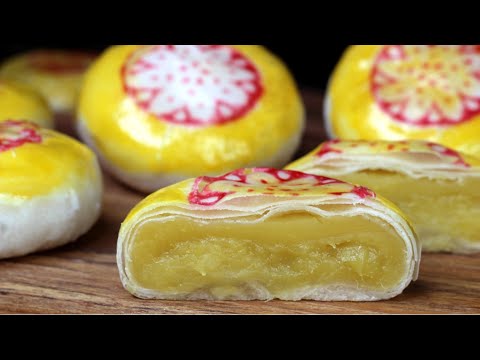
Pia Cake Making Craft
In the pre-dawn hours of Soc Trang, the gentle thud of wooden mallets against stone mortars creates a rhythmic symphony. Steam rises from banana leaves as skilled hands fold delicate layers of translucent dough around sweet mung bean hearts, each fold a testament to generations of culinary devotion passed down through Khmer families in the Mekong Delta.
Pia cake making represents one of Vietnam's most cherished traditional confectionery arts, originating from the Khmer communities of the Mekong Delta. These delicate, flaky pastries filled with sweet mung bean paste have become synonymous with Vietnamese hospitality and festive celebrations, embodying centuries of cultural exchange between Vietnamese and Khmer culinary traditions.
Sweet Whispers from the Delta's Heart
The story of bánh pía begins in the fertile lands of the Mekong Delta, where Khmer communities settled centuries ago, bringing with them ancient recipes and techniques. The craft likely emerged during the 18th century when Chinese merchants introduced new pastry-making methods to the region, which local Khmer artisans masterfully adapted using indigenous ingredients.
Legend speaks of a Khmer baker in Soc Trang who dreamed of creating a pastry that would capture the essence of the delta itself - layers as delicate as morning mist over rice paddies, filled with the golden sweetness of locally grown mung beans. The name "pía" derives from the Khmer word for this beloved confection, which gradually became integrated into Vietnamese culinary culture through generations of cultural exchange and intermarriage.
The craft flourished particularly during the French colonial period, when improved transportation allowed bánh pía to reach markets beyond the delta, eventually becoming a treasured gift throughout Vietnam and among overseas Vietnamese communities.
The Alchemy of Flour and Time
Creating authentic bánh pía demands patience, precision, and an almost mystical understanding of dough behavior. Master bakers begin their work in the coolest hours before dawn, when humidity levels provide optimal conditions for the delicate pastry layers.
The process centers around two distinct dough preparations:
• Vỏ ngoài (outer dough): Made from wheat flour, lard, sugar, and water, kneaded until silky smooth • Vỏ trong (inner dough): A more delicate mixture of flour and pure lard, creating the signature flaky layers • Nhân đậu xanh (mung bean filling): Steamed mung beans ground to velvet smoothness with coconut milk and palm sugar
The true artistry lies in the lamination process - repeatedly folding and rolling the two doughs together to create paper-thin layers. Skilled artisans can achieve up to 64 layers, each one contributing to the pastry's characteristic flakiness. The technique requires intuitive knowledge of temperature, humidity, and dough elasticity that can only be gained through years of practice.
Traditional tools remain largely unchanged:
• Wooden rolling pins carved from jackfruit wood • Marble work surfaces that maintain cool temperatures • Brass molds for shaping uniform cakes • Banana leaves for wrapping and steaming
The final step involves careful baking in wood-fired ovens, where experienced bakers judge doneness by sound, aroma, and the subtle golden hue that signals perfection.
Bonds Woven in Sweetness
Bánh pía transcends mere confectionery to become a powerful symbol of cultural identity and community bonds within Khmer-Vietnamese society. The cakes play essential roles in significant life events, from wedding ceremonies to ancestor veneration rituals.
During Chol Chnam Thmay (Khmer New Year), families gather to prepare bánh pía together, with grandmothers passing down closely guarded family recipes to younger generations. The communal preparation serves as both cultural preservation and family bonding, ensuring that traditional techniques survive alongside their deeper cultural meanings.
The pastries also carry profound symbolic weight:
• Circular shape represents completeness and family unity
• Golden color symbolizes prosperity and good fortune
• Layered texture reflects life's complexity and the accumulation of wisdom
• Sweet filling embodies wishes for happiness and harmony
In Vietnamese gift-giving culture, bánh pía represents respect and thoughtfulness, particularly when visiting elders or celebrating important occasions. The care required in their creation makes them especially meaningful presents that honor both giver and recipient.
Savoring Tradition in the Modern Delta
Soc Trang Province: The Heartland
Soc Trang remains the undisputed capital of bánh pía production, where dozens of family-run bakeries continue centuries-old traditions. The Kh'leang Pagoda area hosts several renowned establishments where visitors can observe master bakers at work and purchase authentic cakes still warm from traditional ovens.
Best visiting times: Early morning (5:00-8:00 AM) when production is most active, or during Chol Chnam Thmay (April) for special ceremonial varieties.
Can Tho and Tra Vinh
Can Tho's Cai Rang Floating Market offers excellent bánh pía from various delta producers, providing opportunities to compare regional variations. Tra Vinh Province specializes in bánh pía chay (vegetarian versions) developed for Buddhist festivals.
Ho Chi Minh City
Urban bakeries in District 5 (Chinatown) and District 8 offer modernized versions while maintaining traditional core techniques. The Ben Thanh Market area features several shops specializing in bánh pía as gifts for travelers.
Practical tips for visitors:
• Purchase from established family businesses for authentic quality
• Look for cakes with visible flaky layers and golden-brown coloring
• Traditional varieties keep well for 3-5 days when properly wrapped
• Many bakeries offer shipping services for international visitors
The bánh pía making craft represents far more than culinary technique - it embodies the living heritage of Vietnam's multicultural delta, where Khmer wisdom, Vietnamese adaptation, and Chinese influence created something uniquely beautiful and enduringly meaningful.
Featured Video
Bánh Pía Đậu Xanh Sầu Riêng - KHÔNG NHỒI BỘT - KHÔNG LÒ NƯỚNG - Thật đơn giản, rất rất Ngon | BND |
Heritage Details
Official Recognition Information
- Official Name (Vietnamese)
- Nghề làm bánh Pía
- Description
- A centuries-old culinary art form from Vietnam's Mekong Delta region, the Pia Cake Making Craft showcases the intricate techniques and cultural traditions behind the creation of these delicate, bite-sized pastries.