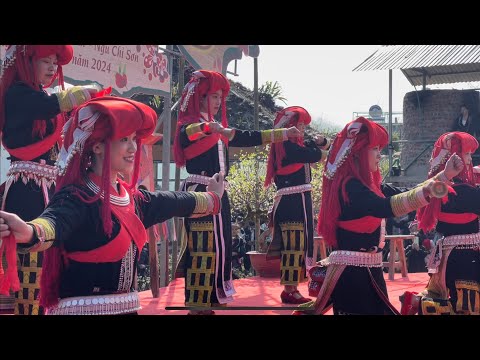
Put Tong Ceremony of the Red Dao
The steady beat of bronze drums echoes through the misty mountains as elders dressed in vibrant indigo and red gather under ancient banyan trees. Fragrant incense spirals toward the heavens, while meticulously prepared offerings await the spirits. As dawn breaks over the northern highlands, the Put Tong ceremony begins – a sacred threshold between the human world and the divine.
The Put Tong ceremony represents one of the most significant cultural and spiritual rituals of Vietnam's Red Dao ethnic minority. This elaborate coming-of-age ceremony marks the transition of young men into adulthood, not merely as a personal milestone but as a crucial communal event that reinforces ethnic identity, spiritual beliefs, and cultural continuity in the mountainous northern regions of Vietnam.
Whispers from the Mountain Ancestors
The origins of the Put Tong ceremony trace back centuries, deeply intertwined with the migration history of the Red Dao people from southern China to the highlands of northern Vietnam. According to oral traditions passed down through generations, the ceremony originated when the legendary ancestor Ban Vuong established ritual practices to honor the spirits and deities that protect the Dao communities.
The historical roots of the Put Tong ceremony are embedded in ancient Taoist practices, reflecting the syncretic spiritual worldview of the Red Dao that combines indigenous animism with elements of Taoism, Buddhism, and ancestor worship. The ceremony's name itself – "Put Tong" – refers to the ritual of "opening the way" or "clearing the path," symbolically guiding the initiate through the transition from boyhood to manhood under the watchful eyes of ancestors and deities.
Over centuries, the ceremony has evolved but maintained its core elements, surviving periods of historical upheaval, including colonization and war, as a testament to the resilience of Red Dao cultural identity.
The Sacred Choreography of Transformation
The Put Tong ceremony is not a single event but a complex ritual process extending over three to five days, depending on the family's resources and local traditions. Each element is meticulously orchestrated to ensure proper communication with the spiritual realm.
Preparation Phase
Before the ceremony begins, extensive preparations take place:
- A Thầy Tào (Taoist priest) is consulted to select an auspicious date
- Family members gather to prepare ritual items and food offerings
- The ban nhà (ceremonial altar) is carefully constructed
- Special ceremonial clothing, including the distinctive red headpiece (khăn đầu đỏ), is prepared for the initiate
The Ceremonial Sequence
The ceremony unfolds through several key stages:
Mở Cửa Rừng (Opening the Forest Door) – The ritual begins with invocations to forest spirits and ancestors, asking permission to conduct the ceremony.
Tắm Thiêng (Sacred Bath) – The initiate undergoes ritual purification, often in natural spring water enhanced with medicinal herbs known only to the Red Dao.
Lễ Cấp Sắc (Conferring Rank) – The core ritual where the young man receives his adult name and is officially recognized as an adult member of the community. The Thầy Tào performs intricate chants from sacred Taoist texts.
Lễ Cúng Tổ Tiên (Ancestor Worship) – Offerings of food, wine, and symbolic items are presented to ancestors, inviting them to witness and bless the ceremony.
Nhảy Páo (Páo Dance) – A ceremonial dance performed around a sacred fire, with dancers wearing traditional costumes adorned with silver ornaments and intricate embroidery.
The most sacred moment comes when the Thầy Tào places the ceremonial red headpiece on the initiate while reciting ancient incantations, completing his transformation into adulthood.
Threads in the Spiritual Tapestry
For the Red Dao, the Put Tong ceremony transcends mere tradition to become an essential spiritual foundation of their community. The ritual serves multiple profound purposes within their worldview.
First and foremost, it establishes a young man's spiritual identity and his place within the cosmic order. Only after undergoing the Put Tong ceremony is he considered spiritually complete and capable of communicating directly with ancestors. This spiritual maturation is believed to provide protection against malevolent spirits and ensure the continuation of family lineages.
The ceremony also functions as a living repository of traditional knowledge. Through the complex rituals, younger generations absorb philosophical concepts, ethical values, and practical wisdom that have sustained their communities for generations. The intricate prayers and chants, often written in the unique Nôm Dao script, contain ancient knowledge about the relationship between humans, nature, and the divine.
From a social perspective, the Put Tong ceremony reinforces community bonds and social hierarchies within Red Dao villages. The collective preparation, participation, and celebration create a shared experience that strengthens ethnic identity and cultural pride in an increasingly modernized world.
Witnessing Ancient Wisdom in the Highlands
For travelers seeking authentic cultural experiences, witnessing a Put Tong ceremony offers a rare glimpse into Vietnam's rich tapestry of ethnic traditions beyond the more familiar lowland Vietnamese culture.
When and Where to Experience
The Put Tong ceremony typically takes place during the dry season between November and April, with peak periods around Lunar New Year celebrations. The mountainous provinces of Ha Giang, Lao Cai, and Yen Bai host the most authentic ceremonies, particularly in districts with significant Red Dao populations:
- Hoàng Su Phì and Quản Bạ (Ha Giang Province)
- Sa Pa and Bắc Hà (Lao Cai Province)
- Mù Cang Chải (Yen Bai Province)
Visitor Etiquette
If you're fortunate enough to be invited to observe a Put Tong ceremony, remember that this is not a tourist performance but a deeply meaningful spiritual event:
- Dress modestly and conservatively
- Ask permission before taking photographs, especially during sacred moments
- Bring a small gift for the host family (fruit, tea, or a modest contribution to the ceremony costs)
- Observe quietly during ritual moments and follow the lead of local participants
- Remove shoes when entering homes or ceremonial spaces
Several community-based tourism initiatives in northern Vietnam work directly with Red Dao communities to allow respectful cultural exchange. Arranging your visit through these organizations helps ensure that tourism supports rather than disrupts local traditions while providing deeper context for understanding what you're witnessing.
The Put Tong ceremony stands as a living testament to Vietnam's remarkable cultural diversity and the enduring spiritual traditions that continue to thrive in its highland communities, connecting past, present, and future generations in an unbroken chain of wisdom and identity.
Featured Video
Hội Pút Tồng Người Dao Đỏ Tả Phìn- SaPa👏 Put Tong Festival of the Red Dao Ta Phin - SaPa #manbantv
Heritage Details
Official Recognition Information
- Official Name (Vietnamese)
- Lễ Pút tồng của người Dao đỏ
- Description
- The Put Tong Ceremony of the Red Dao, a vibrant cultural heritage event held in Vietnam's remote northern regions, celebrates the community's deep spiritual connection to the land and its ancestors through captivating rituals and traditional attire.