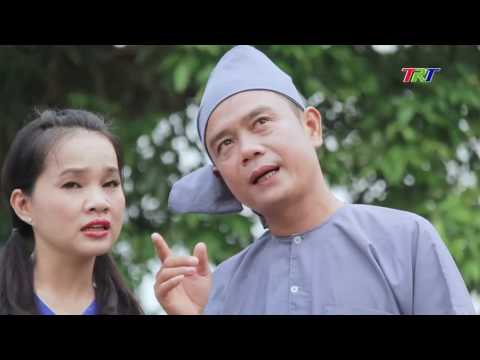
Rice Pounding Ho Folk Song
In the pre-dawn darkness of a Vietnamese village, the rhythmic thump of wooden pestles against stone mortars creates a percussion that has echoed through centuries. Women gather around the communal grinding stones, their voices rising in unison—a melodic "ho" that transforms the mundane task of rice processing into a symphony of community spirit and ancestral wisdom.
The Rice Pounding Ho Folk Song (Hát ru giã gạo) represents one of Vietnam's most authentic expressions of agricultural heritage, where the necessity of daily sustenance meets the soul's need for musical expression. This traditional work song emerged from the rice paddies and village courtyards, turning the laborious task of husking rice into a celebration of collective labor, female solidarity, and the timeless rhythm of rural Vietnamese life.
Rhythms Born from Ancient Grains
The origins of Rice Pounding Ho songs trace back over a millennium to Vietnam's earliest agricultural communities, when rice cultivation became the cornerstone of Vietnamese civilization. These songs emerged organically from the practical need to coordinate the synchronized pounding required to efficiently husk rice grains.
Historical records from the Ly Dynasty (1009-1225) reference communal rice processing ceremonies accompanied by folk melodies, though the tradition likely predates written documentation by centuries. The songs developed differently across Vietnam's regions—the northern "ho" carried the influence of Chinese agricultural practices, while southern variations incorporated Khmer rhythmic patterns and Cham musical scales.
Legend speaks of a village maiden named Thuy who first sang while pounding rice to ease her mother's burden during harvest season. Her melodic innovations spread from village to village, carried by traveling merchants and seasonal workers, evolving into the rich tapestry of regional variations we recognize today.
The Sacred Choreography of Community Labor
The Rice Pounding Ho represents far more than mere work songs—it embodies a sophisticated system of musical coordination that transforms individual effort into collective artistry. The process begins before sunrise when village women gather around large stone mortars called "cối đá", each wielding wooden pestles known as "chày".
The musical structure follows a call-and-response pattern:
- Lead singer (người dẫn) initiates each verse with a melodic phrase
- Chorus responds with the signature "ho" sound, timed perfectly with pestle strikes
- Rhythmic foundation established by the coordinated pounding creates natural percussion
- Improvised verses allow singers to share news, express emotions, or tell stories
The songs serve multiple practical functions beyond entertainment. The steady rhythm ensures uniform rice processing, preventing grain damage from erratic pounding. The musical timing allows workers to maintain consistent effort without exhaustion, while the communal singing strengthens social bonds and makes arduous labor more bearable.
Traditional verses often incorporate:
- Seasonal observations about weather and harvest conditions
- Romantic themes and courtship stories
- Family news and village gossip
- Moral teachings and ancestral wisdom
- Prayers for good fortune and abundant harvests
Threads That Bind the Village Soul
Rice Pounding Ho songs function as the cultural DNA of Vietnamese rural communities, encoding values, history, and social structures within their melodic patterns. These musical traditions serve as informal education systems, transmitting agricultural knowledge, moral guidance, and cultural identity from mothers to daughters across generations.
The songs create a sacred space where women can express themselves freely within traditional social constraints. Through improvised verses, singers share personal struggles, celebrate achievements, and offer mutual support. The communal nature of the activity reinforces feminine solidarity and creates networks of emotional and practical assistance that sustain village life.
Spiritually, the Rice Pounding Ho connects participants with ancestral spirits and natural cycles. Many songs include invocations to the Rice Goddess "Bà Chúa Kho" and acknowledgments of the sacred relationship between humans and the land. The pre-dawn timing aligns with traditional beliefs about spiritual energy and the importance of beginning important work during auspicious hours.
The musical tradition also serves as a cultural bridge between generations, providing opportunities for elders to share wisdom while allowing younger women to contribute contemporary perspectives. This dynamic exchange ensures the songs remain living traditions rather than museum pieces.
Experiencing the Living Tradition
Northern Highlands Experience
The most authentic Rice Pounding Ho performances occur in the mountainous provinces of Sapa, Ha Giang, and Cao Bang, where ethnic minority communities maintain traditional agricultural practices. Visit during harvest season (September-November) when villages conduct communal rice processing ceremonies.
Recommended locations:
- Ban Ho Village (Sapa): Offers homestay experiences with participation opportunities
- Dong Van Karst Plateau: UNESCO site with preserved traditional practices
- Mai Chau Valley: Accessible location with regular cultural demonstrations
Mekong Delta Variations
Southern Vietnam's An Giang and Can Tho provinces showcase distinctive Mekong Delta interpretations of Rice Pounding Ho, incorporating influences from Khmer and Cham musical traditions. The floating rice markets provide unique opportunities to witness water-based variations of these songs.
Cultural Centers and Festivals
For year-round access, Vietnam's major cultural institutions offer performances and workshops:
- Vietnam Museum of Ethnology (Hanoi): Weekly demonstrations with audience participation
- Hue Festival of Traditional Crafts: Biennial celebration featuring regional variations
- Ho Chi Minh City Traditional Arts Center: Monthly workshops teaching basic techniques
Visitor Guidelines
When experiencing Rice Pounding Ho traditions, approach with respect and cultural sensitivity. Ask permission before photographing, offer to assist with preparation work, and consider purchasing rice products to support local communities. Early morning visits (4-6 AM) provide the most authentic experiences, as this timing aligns with traditional practice schedules.
The songs represent living heritage requiring active participation rather than passive observation. Visitors willing to learn basic rhythmic patterns and simple "ho" responses often find themselves welcomed into the musical circle, creating meaningful cultural exchange that benefits both travelers and local communities.
Featured Video
HÒ GIÃ GẠO
Heritage Details
Official Recognition Information
- Official Name (Vietnamese)
- Hò giã gạo
- Description
- The captivating Vietnamese Rice Pounding Ho Folk Song, rooted in the rhythmic traditions of the Mekong Delta, celebrates the cultural essence of a community's harmonious unity in the labor-intensive process of rice cultivation.