
Royal Court Music of Vietnam (Nha Nhac)
The gentle plucks of the đàn tranh (zither) drift through the misty air, mingling with the haunting melodies of the sáo (flute). Beneath the canopy of ancient trees, the rhythmic beats of the phách (woodblock) and cồng (gongs) summon the spirits of Vietnam's dynastic past. This is the enchanting world of Nha Nhac, the royal court music that has captivated audiences for centuries.
Nha Nhac, or "elegant music," is a UNESCO-recognized intangible cultural heritage of Vietnam. This refined musical tradition was once the exclusive domain of the imperial courts, a manifestation of the country's rich cultural heritage and deep-rooted respect for the monarchy.
Echoes of the Ly Dynasty
The origins of Nha Nhac can be traced back to the Ly Dynasty (1009-1225 AD), when the court music began to take shape. According to legend, the music was first composed by a scholar-official named Phạm Công Cúc, who drew inspiration from the natural sounds of the Vietnamese landscape. Over the centuries, Nha Nhac evolved, incorporating influences from China and other East Asian traditions, yet maintaining its distinct Vietnamese character.
The Core Experience of Nha Nhac
At the heart of Nha Nhac lies a rich tapestry of instruments, costumes, and ceremonial protocols. The ensemble is typically composed of:
- Đàn tranh: A 16-string zither with a soulful, haunting tone.
- Sáo: A bamboo flute that weaves intricate melodies.
- Phách: A wooden woodblock that sets the rhythmic foundation.
- Cồng: A set of bronze gongs that add depth and resonance to the music.
The musicians, dressed in elaborate court robes and headdresses, perform a series of highly stylized pieces that often accompany specific court rituals and ceremonies. These include:
- Nhập Bái: A processional piece that welcomes the arrival of the emperor or other dignitaries.
- Tấu Huân: A celebratory piece performed during royal festivals and coronations.
- Điếu Văn: A somber, mournful piece played during funeral rites.
The intricate choreography and the precise execution of each movement are essential components of the Nha Nhac experience, reflecting the deep reverence and attention to detail that pervade this musical tradition.
Preserving the Spiritual and Cultural Significance
Nha Nhac is more than just a musical performance; it is a living embodiment of Vietnam's cultural identity and spiritual beliefs. The music is believed to have the power to connect the earthly and the divine, to invoke the blessings of the ancestors, and to maintain the delicate balance of the cosmos. For the Vietnamese people, Nha Nhac is a way to preserve their rich heritage and to honor the legacy of their monarchs.
Experiencing Nha Nhac: A Visitor's Guide
To witness the grandeur of Nha Nhac, visitors can journey to the historic city of Huế, the former imperial capital of Vietnam. The Imperial Citadel in Huế, a UNESCO World Heritage Site, is home to the Nha Nhac Museum, where visitors can learn about the history and significance of this musical tradition.
Alternatively, travelers can attend one of the regular Nha Nhac performances held at the Thien Mu Pagoda, a picturesque temple overlooking the Perfume River. These performances offer a unique opportunity to immerse oneself in the captivating sounds and visual splendor of this living heritage.
Regardless of where you experience Nha Nhac, the journey is sure to be a truly enchanting and unforgettable encounter with the rich cultural tapestry of Vietnam.
Featured Video
Nha Nhac, Vietnamese Court Music
Heritage Details
Official Recognition Information
- Official Name (Vietnamese)
- Nhã nhạc - Âm nhạc Cung đình Việt Nam
- Description
- Originating from Vietnam's imperial court, the refined and ceremonious Nha Nhac tradition preserves the country's rich cultural heritage through its exquisite musical performances steeped in centuries-old royal traditions.
🎭 See It Live
Official performance experience for this heritage in Duyet Thi Duong Theater.
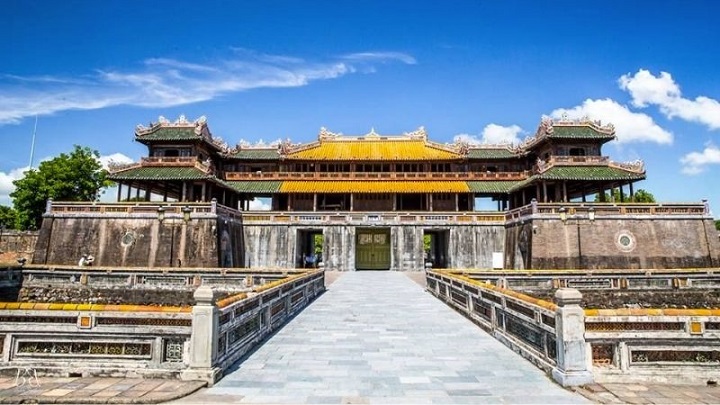
Royal Court Performances in Hue Imperial City
Experience Nhã nhạc (Royal Court Music), court dances, classical tuồng theater, and live ceremonial programs across Hue's Imperial City, with Duyet Thi Duong Theater as the historic centerpiece.