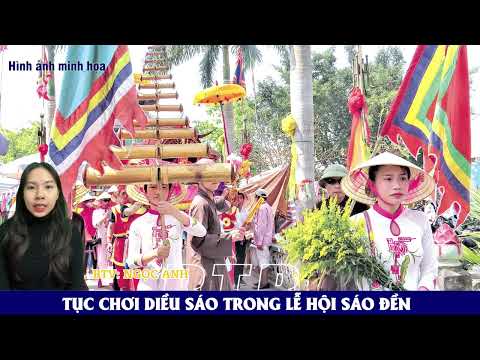
Temple Flute Kite Flying Custom
The gentle whistle of bamboo flutes dances on the wind as colorful kites soar above ancient temple roofs, their melodies weaving through incense smoke and prayers. In the courtyards below, devotees release their musical messengers skyward, carrying hopes and wishes to the heavens on wings of silk and song.
In the sacred spaces of Vietnam's temples, a unique tradition transforms the act of kite flying into a spiritual symphony. The Temple Flute Kite Flying Custom combines the artistry of traditional kite making with the haunting melodies of bamboo flutes, creating an ethereal experience where music literally takes flight. This centuries-old practice represents one of Vietnam's most poetic expressions of devotion, where the boundary between earth and sky dissolves in a cascade of sound and color.
Melodies Born from Sacred Grounds
The origins of temple flute kite flying trace back to the Ly Dynasty (1009-1225), when Buddhist monks in northern Vietnam sought innovative ways to enhance their meditation practices and connect with the divine. Legend speaks of a monk named Thích Minh Không at a temple in present-day Hanoi, who attached small bamboo flutes to kites during the Mid-Autumn Festival. As the kites soared above the temple grounds, the wind passing through the flutes created ethereal melodies that seemed to carry prayers directly to the Buddha.
The practice gained deeper significance during the Trần Dynasty (1225-1400), when it became associated with cầu siêu ceremonies - rituals for guiding departed souls to peace. Temple communities discovered that the haunting music produced by the aerial flutes created an atmosphere of transcendence, helping both the living and the dead find spiritual solace. Over time, this custom spread throughout Vietnam's Buddhist and Taoist temples, each region developing its own variations and musical scales.
The Sacred Art of Musical Flight
Creating a temple flute kite requires both artistic skill and spiritual intention. The process begins with selecting the right materials, each chosen for its symbolic significance and acoustic properties.
Traditional Construction Elements:
- Khung diều (kite frame): Made from flexible bamboo strips, symbolizing resilience and growth
- Giấy dó (traditional paper): Mulberry paper painted with Buddhist symbols and protective deities
- Sáo tre (bamboo flutes): Hand-carved tubes of varying lengths to produce different tones
- Dây thừng (string): Hemp or silk cord, representing the connection between earthly and divine realms
The sáo diều (kite flutes) are the heart of this tradition. Master craftsmen carefully calculate the diameter and length of each bamboo tube to produce specific musical notes. A single kite may carry anywhere from three to twelve flutes, arranged to create harmonious chord progressions as the wind passes through them. The most revered kites feature flutes tuned to traditional Vietnamese musical scales, particularly the ngũ cung (five-tone scale) used in court music and religious chants.
The launching ceremony itself follows ancient protocols. Monks or temple elders bless each kite with incense and prayers before release. As the kites ascend, practitioners often engage in thiền hành (walking meditation) while listening to the aerial symphony, allowing the music to guide their spiritual contemplation.
Whispers Between Heaven and Earth
Beyond its aesthetic beauty, temple flute kite flying serves profound spiritual purposes within Vietnamese religious culture. The practice embodies the Buddhist concept of vô thường (impermanence), as the music exists only while the kites remain aloft, reminding practitioners that all phenomena are transient.
The ascending melodies are believed to carry several types of spiritual communication. During Vu Lan (Ghost Festival), families fly flute kites to honor deceased ancestors, with each musical note representing prayers for their peaceful rest. The practice also serves as a form of cúng dường (offering), where the beauty of music and flight is presented as a gift to Buddhist deities and bodhisattvas.
Temple communities view the custom as a powerful tool for collective meditation. The unpredictable nature of wind ensures that no two performances are identical, teaching practitioners to embrace uncertainty and find peace within constant change. Children learn patience and mindfulness through the careful preparation and launching process, while elders pass down both technical skills and spiritual wisdom.
Witnessing the Celestial Symphony
Temple flute kite flying reaches its peak during Vietnam's major religious festivals, offering visitors extraordinary opportunities to witness this ethereal art form.
Prime Viewing Locations
Quan Sứ Pagoda, Hanoi: The birthplace of modern temple kite flying traditions hosts elaborate ceremonies during the Mid-Autumn Festival. Arrive early morning (6-8 AM) to witness monks preparing and blessing the kites before their ceremonial release.
Jade Emperor Pagoda, Ho Chi Minh City: During Tết Nguyên Đán (Lunar New Year), this Taoist temple features spectacular displays where dozens of flute kites create symphonic arrangements above the courtyard. The temple's elevated position provides excellent acoustics for the aerial music.
Bái Đính Temple, Ninh Bình: Vietnam's largest Buddhist complex offers the most dramatic setting, with kites soaring above limestone karsts while their melodies echo through the valleys below.
Visitor Guidelines
The best viewing times occur during early morning hours (sunrise to 9 AM) and late afternoon (4-6 PM) when wind conditions are most favorable. Visitors should dress respectfully, remove shoes when entering temple grounds, and maintain quiet reverence during ceremonies. Photography is generally permitted, but flash should be avoided during active religious observances.
Many temples welcome visitors to participate in kite preparation workshops, where you can learn basic flute carving and kite assembly techniques from local artisans. These sessions typically cost 200,000-400,000 VND and include materials for creating your own small flute kite to take home.
The temple flute kite flying season peaks during autumn months (September-November) when consistent winds and clear skies create ideal conditions for both flight and spiritual contemplation.
Featured Video
Tục Chơi Diều Sáo Trong Lễ Hội Sáo Đền
Heritage Details
Official Recognition Information
- Official Name (Vietnamese)
- Tục chơi diều sáo trong lễ hội Sáo Đền
- Description
- In the heart of Vietnam, the Temple Flute Kite Flying Custom celebrates the country's rich cultural heritage, as vibrant kites soar to the rhythmic melodies of traditional bamboo flutes, creating a captivating display of artistry and tradition.