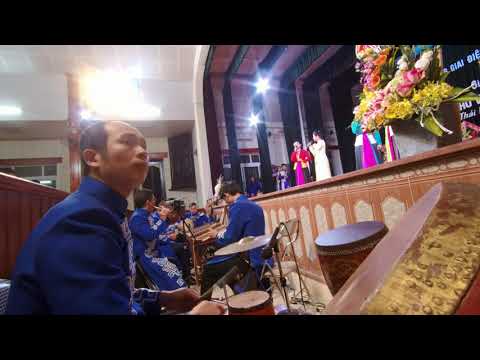
Thai Binh Cheo Theater Art
In the gentle embrace of the Red River Delta, where rice paddies stretch like emerald carpets under the vast sky, the haunting melodies of cheo drift through village courtyards. Here, beneath flickering oil lamps, painted faces come alive with stories as old as the land itself, weaving tales of love, heroism, and the eternal struggle between good and evil.
Thai Binh Cheo Theater Art represents one of Vietnam's most cherished traditional folk opera forms, deeply rooted in the cultural soil of the Red River Delta. This captivating theatrical tradition combines music, dance, poetry, and drama to create a uniquely Vietnamese artistic expression that has entertained and educated rural communities for over a thousand years.
Songs Born from Rice Fields and Village Hearts
The origins of chèo theater trace back to the 12th century during the Ly Dynasty, emerging from the fertile cultural landscape of northern Vietnam's agricultural communities. Unlike the more aristocratic tuồng theater that served royal courts, chèo was born from the people and for the people—a grassroots art form that grew organically from village festivals, harvest celebrations, and communal gatherings.
Legend tells of wandering performers who traveled from village to village, carrying nothing but their voices, simple instruments, and an endless repertoire of stories. These early chèo artists were storytellers, social commentators, and entertainers rolled into one, using humor, satire, and melodrama to reflect the joys and struggles of rural life. The art form flourished particularly in the provinces surrounding Hanoi, with Thai Binh emerging as one of its most important centers.
During the feudal period, chèo served as both entertainment and subtle social criticism, allowing performers to comment on corrupt officials, social injustices, and moral failings through allegorical tales and clever wordplay. This tradition of veiled commentary made chèo a powerful voice for the common people, even as it delighted audiences with its wit and musicality.
The Living Tapestry of Performance
Thai Binh chèo is a mesmerizing fusion of multiple artistic disciplines, creating a theatrical experience that engages all the senses. The performance style is characterized by its intimate scale, flexible staging, and direct connection between performers and audience.
Musical Foundation: The heart of any chèo performance lies in its distinctive musical accompaniment. Traditional instruments include:
- Trống chèo - a small drum that provides rhythmic foundation
- Kẻng - wooden clappers that punctuate dramatic moments
- Đàn nguyệt - a moon-shaped lute with haunting tones
- Sáo - bamboo flutes that weave melodic lines through the performance
Character Types and Costumes: Chèo employs a system of stock characters, each with distinctive makeup, costumes, and performance styles:
- Sinh - the noble male lead, often dressed in flowing robes
- Đán - the female protagonist, adorned in elegant traditional dress
- Hài - the comic character, whose exaggerated makeup and antics provide relief
- Mặt trắng - the "white face" representing virtue and righteousness
- Mặt đen - the "black face" symbolizing evil or treachery
Performance Techniques:
- Stylized gestures and movements that convey emotion and meaning
- Distinctive vocal techniques that blend singing, chanting, and spoken dialogue
- Improvisation that allows performers to adapt to specific audiences
- Direct audience interaction, breaking the fourth wall to create intimacy
Mirrors of the Soul and Community Spirit
Beyond mere entertainment, Thai Binh chèo serves as a cultural mirror reflecting Vietnamese values, beliefs, and social consciousness. The art form carries profound significance as a vehicle for moral education, historical preservation, and community bonding.
Moral and Social Commentary: Chèo performances traditionally center on themes of justice, virtue, and the triumph of good over evil. Through allegorical tales and historical legends, the theater provides moral guidance while entertaining audiences. Characters face ethical dilemmas that resonate with everyday life, offering lessons about filial piety, loyalty, honesty, and social responsibility.
Cultural Preservation: Each performance serves as a living repository of Vietnamese folklore, history, and linguistic heritage. Ancient legends, historical events, and cultural practices are passed down through generations via chèo, ensuring their survival in an increasingly modernized world. The art form preserves not only stories but also traditional Vietnamese language patterns, idioms, and poetic forms that might otherwise be lost.
Community Cohesion: Chèo performances traditionally take place during festivals, celebrations, and important community events, serving as a focal point for social gathering. The interactive nature of the performances—where audience members might call out responses or even join in singing familiar refrains—creates a sense of shared cultural identity and communal participation.
Experiencing the Magic of Thai Binh Cheo
For visitors seeking to witness this remarkable theatrical tradition, Thai Binh province offers several opportunities to experience authentic chèo performances in their cultural context.
Thai Binh Traditional Arts Center
Located in the heart of Thai Binh city, this cultural center regularly hosts chèo performances throughout the year. The intimate theater setting allows visitors to experience the art form much as village audiences have for centuries, with close proximity between performers and spectators creating an atmosphere of shared storytelling.
Best Times to Visit:
- Traditional festivals (Tet, Mid-Autumn Festival)
- Weekend evening performances
- Special cultural events and competitions
Village Performances
For the most authentic experience, seek out chèo performances in rural villages around Thai Binh, particularly during:
- Đình (communal house) festivals
- Harvest celebrations in autumn
- Traditional wedding ceremonies
- Religious festivals at local pagodas
Annual Cheo Festival
Thai Binh hosts an annual chèo festival that brings together the finest troupes from across the region. This celebration typically occurs in spring and offers visitors the chance to see multiple performance styles, meet master artists, and witness the continuing evolution of this ancient art form.
Practical Tips:
- Performances are conducted in Vietnamese, but the visual and musical elements transcend language barriers
- Arrive early to secure good seating and observe pre-performance preparations
- Don't hesitate to show appreciation through applause—audience participation is welcomed
- Photography may be permitted, but always ask permission first
- Consider hiring a local guide who can provide cultural context and translation
The enduring appeal of Thai Binh chèo lies not merely in its artistic sophistication, but in its ability to create bridges across time—connecting contemporary audiences with centuries of Vietnamese cultural wisdom while remaining vibrantly alive and relevant to modern life.
Featured Video
TRỐNG CHÈO: LUYỆN NĂM CUNG - THÁI BÌNH QUÊ LÚA. GIA KHANG
Heritage Details
Official Recognition Information
- Official Name (Vietnamese)
- Nghệ thuật Chèo Thái Bình
- Description
- Located in the northern Vietnamese province of Thai Binh, the Thai Binh Cheo Theater Art is a captivating traditional performance art that preserves the region's cultural heritage through its lively folk songs, vibrant costumes, and intricate dance movements.