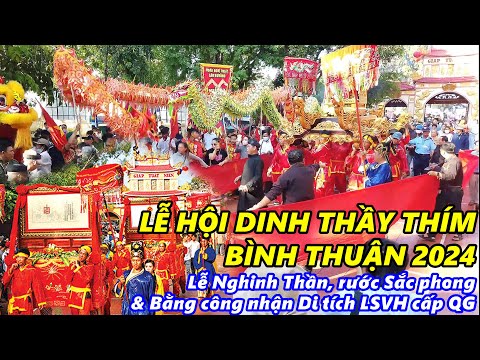
Thay Thim Shrine Festival
Incense smoke curls skyward through ancient banyan branches as the rhythmic beat of bronze drums echoes across the tranquil waters of West Lake. Pilgrims in white áo dài bow deeply before weathered stone altars, their whispered prayers joining centuries of devotion that have transformed this sacred grove into one of Vietnam's most mystical spiritual gatherings.
The Thay Thim Shrine Festival stands as one of northern Vietnam's most enchanting religious celebrations, where ancient Taoist traditions merge seamlessly with Vietnamese folk beliefs. Held annually at the picturesque Thay Pagoda in Sai Son commune, Quoc Oai district, this festival honors the revered monk Thầy Thím (Master Thim), a legendary figure who embodied the perfect fusion of spiritual wisdom and earthly healing arts during the Ly Dynasty.
Whispers from the Ly Dynasty's Golden Age
The origins of this sacred festival stretch back nearly a millennium to the reign of King Ly Nhan Tong (1072-1127), when a remarkable monk named Tu Dao Hanh walked the earth. Known posthumously as Thầy Thím, this extraordinary figure was no ordinary religious teacher. Legend speaks of a man who could heal the sick with herbal remedies, predict the future through ancient divination, and even control the very elements themselves.
Historical chronicles tell us that Thầy Thím served as both spiritual advisor and court physician to the Ly emperors, earning such reverence that he became known as the "Living Buddha of Vietnam." When he passed into the spiritual realm, grateful villagers built the magnificent Thay Pagoda (Master's Pagoda) in his honor, nestled against the dramatic limestone cliffs of Sai Son Mountain. The festival emerged organically from the people's deep gratitude, growing from simple memorial ceremonies into the elaborate celebration we witness today.
What makes this festival particularly fascinating is how it preserves the unique Vietnamese interpretation of Buddhism, where the Thầy (Master) is revered not just as a religious figure, but as a protector, healer, and guide for daily life—a distinctly Vietnamese approach to spiritual devotion.
Sacred Rhythms and Ancient Ceremonies
The heart of the Thay Thim Shrine Festival beats with a complex tapestry of rituals that unfold over three mystical days, typically falling between the 5th and 7th days of the third lunar month. Each ceremony carries deep symbolic meaning, performed with meticulous attention to traditions passed down through forty generations.
The festival opens with the solemn Lễ Khai Ấn (Seal Opening Ceremony), where temple guardians ceremoniously unlock the shrine's inner sanctum. Participants witness:
- Incense offering rituals performed by white-robed monks chanting ancient Sanskrit prayers
- Traditional water puppet shows staged on the temple's sacred pond, featuring stories of Thầy Thím's miraculous deeds
- Processional ceremonies where ornately decorated palanquins carry the Master's statue through cheering crowds
- Martial arts demonstrations showcasing the Võ Thầy Thím fighting style, believed to have been created by the master himself
The festival's most mesmerizing element is the Múa Rối Nước (water puppetry) performances. These aren't mere entertainment—they're sacred storytelling, where skilled puppeteers standing waist-deep in the temple pond bring wooden marionettes to life, reenacting Thầy Thím's legendary battles against evil spirits and his miraculous healings.
Traditional music fills the air throughout the celebration, with haunting melodies played on ancient instruments: the đàn tranh (16-string zither), sáo trúc (bamboo flute), and resonant trống cơm (rice drums) that seem to call down blessings from the heavens themselves.
The Soul's Sanctuary and Community's Heart
Beyond its spectacular ceremonies, the Thay Thim Shrine Festival serves as a profound spiritual anchor for Vietnamese communities, both local and diaspora. For devotees, this isn't merely a cultural event—it's a sacred pilgrimage that connects them to their ancestral roots and provides spiritual guidance for the year ahead.
The festival embodies several core Vietnamese values:
Gratitude and Remembrance: Participants honor not just Thầy Thím, but all ancestors and teachers who have shaped their lives. The Vietnamese concept of "uống nước nhớ nguồn" (when drinking water, remember the source) finds perfect expression here.
Community Healing: Many pilgrims come seeking Thầy Thím's blessing for health problems, believing that the master's healing powers continue to flow through the sacred waters and blessed amulets distributed during the festival.
Cultural Continuity: For Vietnamese families, bringing children to witness these ancient rituals ensures that traditional knowledge, values, and practices survive in an increasingly modernized world.
The festival also serves as a powerful symbol of Vietnamese religious syncretism, where Buddhist philosophy, Taoist mysticism, Confucian ethics, and indigenous ancestor worship blend harmoniously—a living testament to Vietnam's remarkable ability to absorb and adapt foreign influences while maintaining its unique cultural identity.
Your Pilgrimage to Sacred Waters
Planning your visit to the Thay Thim Shrine Festival requires both practical preparation and spiritual openness to fully appreciate this extraordinary cultural experience.
When to Visit
The festival occurs annually on the 5th-7th days of the third lunar month (typically April in the Gregorian calendar). Mark your calendar early, as this timing aligns with Vietnam's most pleasant spring weather, when the countryside bursts with blooming flowers and gentle breezes.
Getting There
Thay Pagoda sits approximately 25 kilometers southwest of Hanoi in Quoc Oai district. The most atmospheric approach involves:
- Taking a local bus from Hanoi's My Dinh Station to Quoc Oai town
- Hiring a xe om (motorbike taxi) for the final scenic journey through rice paddies and traditional villages
- Joining organized tours that include cultural context and Vietnamese-English interpretation
What to Expect
Arrive early morning to witness the dawn incense ceremonies when mist still clings to West Lake's surface. Dress respectfully in modest clothing—long pants and covered shoulders show proper reverence. Bring small denominations of Vietnamese dong for incense offerings and temple donations.
The festival atmosphere blends deep spirituality with joyful celebration. You'll encounter elderly grandmothers teaching grandchildren traditional prayers, young couples seeking blessings for their relationships, and international visitors marveling at the water puppet performances. Food stalls surrounding the temple offer delicious chè (sweet soups), bánh chưng (sticky rice cakes), and other traditional festival treats.
Respectful Participation
Remember that you're witnessing living religious practice, not a performance staged for tourists. Observe photography etiquette, maintain quiet reverence during ceremonies, and consider making a small donation to support the temple's preservation efforts.
The Thay Thim Shrine Festival offers more than cultural tourism—it provides a window into the Vietnamese soul, where ancient wisdom continues to guide modern lives through the eternal rhythms of gratitude, community, and spiritual connection.
Featured Video
LỄ HỘI DINH THẦY THÍM BÌNH THUẬN 2024 - Nét văn hóa tâm linh độc đáo chỉ có tại TX Lagi Bình Thuận
Heritage Details
Official Recognition Information
- Official Name (Vietnamese)
- Lễ hội dinh Thày Thím
- Description
- The Thay Thim Shrine Festival in Vietnam's Hanoi province celebrates the country's rich cultural heritage through vibrant rituals, traditional music, and the veneration of a revered Buddhist monk, offering visitors a glimpse into Vietnam's enduring spiritual traditions.