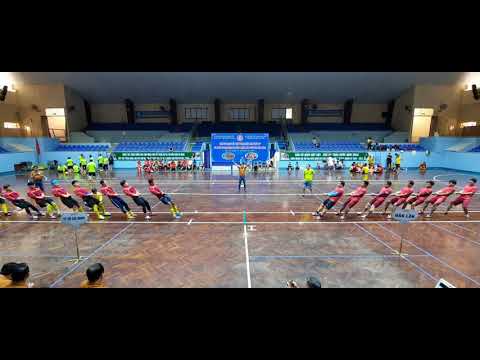
Traditional Tug-of-War
The morning mist clings to the village courtyard as hundreds of hands grip the massive rope, muscles tensing in anticipation. The rhythmic chants of elders echo across the gathering crowd, while the scent of incense mingles with the earthy smell of hemp fiber. This is more than a game—this is a sacred dialogue between earth and sky, community and cosmos.
Vietnam's traditional tug-of-war, known as kéo co, represents one of the nation's most enduring and spiritually significant communal activities. Far from a simple test of strength, this ancient practice weaves together agricultural traditions, spiritual beliefs, and community solidarity into a powerful ritual that has bound Vietnamese villages together for over a millennium.
Threads Woven Through Dynasties
The origins of kéo co stretch back to the early centuries of Vietnamese civilization, with historical records suggesting its practice during the Lý Dynasty (1009-1225). Born from the agricultural rhythms that have always defined Vietnamese life, the tradition emerged as communities sought ways to ensure bountiful harvests and harmonious relationships with the natural world.
Ancient Vietnamese cosmology viewed the universe as a delicate balance between opposing forces—yin and yang, earth and heaven, wet and dry seasons. The tug-of-war ceremony became a physical manifestation of this cosmic struggle, where human participation could influence the outcome of natural cycles. Villages would organize these contests during crucial agricultural periods, believing that the collective effort and spiritual energy generated would guarantee favorable weather and abundant crops.
The practice gained particular prominence during the Trần Dynasty (1225-1400), when it became integrated into official court ceremonies and village festivals. Historical chronicles from this period describe elaborate tug-of-war competitions involving entire communities, with ropes crafted from specially blessed materials and ceremonies lasting for days.
The Sacred Pull: Ritual and Artistry
The traditional Vietnamese tug-of-war transcends mere physical competition through its intricate blend of craftsmanship, ceremony, and community participation. Every element, from rope creation to the final pull, carries deep spiritual significance.
The Sacred Rope
The centerpiece of any kéo co ceremony is the rope itself, known as dây thừng. Traditional ropes are crafted from:
- Hemp fiber (cây gai) - considered the most auspicious material
- Bamboo strips woven with rice straw
- Cotton threads blessed by village elders
- Natural dyes made from turmeric, indigo, and other local plants
The rope-making process begins weeks before the ceremony, involving the entire community in a collaborative effort that strengthens social bonds. Master craftsmen, called thầy thừng, oversee the creation, ensuring proper techniques passed down through generations are maintained.
Ceremonial Preparations
Before any pulling begins, elaborate rituals honor the spirits and ancestors:
- Altar preparation: A ceremonial altar is constructed featuring offerings of fruit, flowers, incense, and traditional foods
- Spirit invocation: Village elders perform prayers requesting protection and favorable outcomes
- Team blessing: Each side receives ritual blessings from respected community members
- Musical accompaniment: Traditional drums (trống) and gongs (chiêng) provide rhythmic guidance
The Competition Structure
Traditional tug-of-war follows specific organizational patterns that reflect Vietnamese social values:
- Gender divisions: Separate competitions for men, women, and mixed teams
- Age categories: Special contests for children, adults, and elders
- Symbolic teams: Often representing opposing forces like East vs. West, Upper village vs. Lower village
- Multiple rounds: Competitions typically involve best-of-three or best-of-five formats
Bonds That Bind: Community and Cosmos
The profound significance of kéo co extends far beyond physical competition, serving as a cornerstone of Vietnamese community life and spiritual practice. This ancient tradition functions as a powerful mechanism for social cohesion, cultural transmission, and spiritual connection.
Agricultural Symbolism
In Vietnam's rice-based agricultural society, tug-of-war ceremonies align with crucial farming periods. The rope represents the umbilical cord connecting communities to the earth, while the pulling action symbolizes the cooperative effort required for successful cultivation. Victory is often interpreted as a prediction of abundant harvests, while the communal effort itself is believed to channel positive energy into the land.
Social Harmony
The tradition serves as a peaceful method for resolving community tensions and reinforcing social bonds. Villages use tug-of-war competitions to:
- Settle minor disputes between neighborhoods
- Celebrate successful harvests and community achievements
- Welcome new residents and strengthen integration
- Honor deceased community members through memorial competitions
Spiritual Dimensions
Kéo co embodies Vietnamese beliefs about balance, cooperation, and humanity's relationship with natural forces. Participants often describe experiencing a transcendent sense of unity, where individual identity dissolves into collective purpose. This spiritual aspect transforms the competition into a form of moving meditation, connecting participants with ancestral wisdom and cosmic harmony.
Experiencing the Ancient Pull
Modern visitors to Vietnam can witness and participate in traditional tug-of-war ceremonies throughout the country, with certain regions and festivals offering particularly authentic experiences.
Premier Destinations
Northern Vietnam
Hà Nam Province hosts some of Vietnam's most prestigious tug-of-war festivals, particularly during the spring festival season (February-April). The villages of Hội Phù and Tràng Kênh are renowned for maintaining traditional practices with minimal modern modifications.
Bắc Ninh Province offers visitors opportunities to observe tug-of-war ceremonies integrated with other traditional performances like quan họ folk singing, creating comprehensive cultural experiences.
Central Vietnam
Thừa Thiên-Huế Province features imperial-style tug-of-war competitions that reflect the region's royal heritage. These events often incorporate elements from court ceremonies, offering unique historical perspectives.
Festival Calendar
The optimal time for experiencing traditional tug-of-war is during major Vietnamese festivals:
- Tết Nguyên Đán (Lunar New Year): January/February
- Đền Hùng Festival: March/April
- Mid-Autumn Festival: September/October
- Harvest celebrations: October/November
Visitor Guidelines
When attending tug-of-war ceremonies, respectful participation enhances the experience:
- Dress modestly and appropriately for sacred spaces
- Follow local guidance regarding photography and participation
- Contribute to community offerings when invited
- Learn basic Vietnamese phrases to show respect
- Understand that these are spiritual ceremonies, not mere entertainment
Many communities welcome respectful foreign participation, offering visitors the chance to grip the sacred rope alongside local residents and experience firsthand the profound sense of unity that defines this ancient tradition.
Featured Video
Giải Vô địch Kéo co toàn quốc lần thứ VIII, năm 2020, hạnh 8 người, 560kg
Heritage Details
Official Recognition Information
- Official Name (Vietnamese)
- Kéo co truyền thống
- Description
- The Vietnamese National Heritage: Traditional Tug-of-War, a captivating cultural ritual rooted in Vietnam's rich heritage, showcases the communal spirit and physical prowess of local communities in a thrilling display of teamwork and tradition.