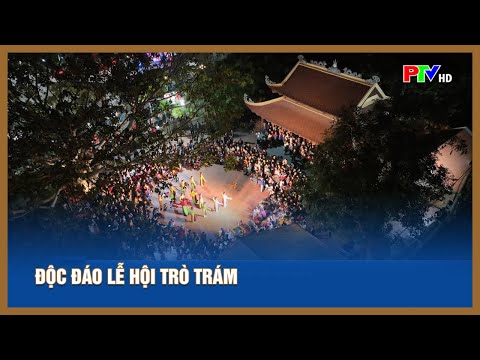
Tro Tram Festival
In the misty hills of Cao Bang, where ancient limestone peaks pierce the clouds and morning fog dances through emerald valleys, the rhythmic beating of bronze drums echoes across terraced fields. This is the call of Tro Tram, a sacred festival that has bound the Tay people to their ancestors and the land for over a thousand years.
The Tro Tram Festival stands as one of northern Vietnam's most profound spiritual celebrations, a deeply rooted tradition of the Tay ethnic minority that transforms entire villages into centers of ancestral worship, community unity, and cultural preservation. Held annually in the mountainous provinces of Cao Bang, Lang Son, and Ha Giang, this festival represents far more than mere celebration—it is a sacred bridge between the living and the departed, between earth and sky.
Whispers from the Ancient Mountains
The origins of Tro Tram stretch back to the early centuries of Vietnamese civilization, when the Tay people first settled in the remote valleys of the northern borderlands. According to oral traditions passed down through generations of village elders, the festival emerged during times of great hardship, when communities needed to strengthen their spiritual bonds and seek protection from their ancestors.
The name "Tro Tram" itself carries deep meaning in the Tay language—"Tro" signifies return or homecoming, while "Tram" represents the sacred space where spirits dwell. Together, they embody the festival's core purpose: creating a spiritual homecoming where the living can commune with their ancestors and receive blessings for the year ahead.
Historical records suggest that Tro Tram gained particular significance during the Ly Dynasty (1009-1225), when the Tay people faced increasing pressure from external forces and needed to preserve their cultural identity. The festival became a cornerstone of resistance—not through conflict, but through the powerful act of cultural continuity.
The Sacred Choreography of Devotion
At the heart of Tro Tram lies an intricate tapestry of rituals, each thread carefully woven to honor both ancestors and the natural world. The festival unfolds over three days, typically during the third lunar month when spring breathes new life into the mountain valleys.
The celebration begins with the "Lễ Mở Cửa" (Opening Ceremony), where village shamans, known as "Then", perform elaborate rituals to invite ancestral spirits back to the earthly realm. These spiritual leaders, adorned in traditional indigo-dyed robes embroidered with silver threads, use ancient bronze drums and bamboo flutes to create haunting melodies that seem to echo from the mountains themselves.
Central to the festival's visual splendor are the traditional elements:
- Sacred altars constructed from bamboo and decorated with colorful paper flowers, incense, and offerings of rice wine
- Traditional costumes featuring intricate brocade work in deep blues, vibrant reds, and silver accents
- Ritual dances performed in circular formations that mirror the cyclical nature of life and death
- Ceremonial foods including sticky rice cakes wrapped in banana leaves, grilled fish from mountain streams, and fermented corn wine
The second day witnesses the "Lễ Cúng Tổ Tiên" (Ancestral Worship Ceremony), where families gather to present offerings and share stories of their lineage. Village elders recite genealogies that stretch back centuries, their voices carrying the weight of history across the assembled crowd.
The festival culminates with the "Lễ Đóng Cửa" (Closing Ceremony), a bittersweet farewell as the spirits are respectfully guided back to their realm, carrying with them the prayers and hopes of their descendants.
Threads That Bind Heaven and Earth
Beyond its spectacular visual elements, Tro Tram serves as a vital spiritual and social foundation for Tay communities. The festival reinforces the concept of "đạo hiếu" (filial piety), teaching younger generations their responsibility to honor those who came before them while preparing for their own roles as future ancestors.
The celebration also strengthens community bonds through collective participation. Every family contributes to the festival's success, whether through preparing traditional foods, crafting decorations, or participating in the elaborate ceremonies. This shared responsibility creates a powerful sense of belonging that transcends individual concerns.
Environmentally, Tro Tram reflects the Tay people's deep connection to their natural surroundings. Many rituals specifically honor the spirits of mountains, rivers, and forests, reinforcing traditional conservation practices that have protected these fragile ecosystems for generations. The festival serves as an annual reminder of humanity's interdependence with nature.
Journey to the Sacred Mountains
For travelers seeking to witness this remarkable celebration, timing and respect are essential. Tro Tram typically occurs in April or May, with exact dates determined by lunar calculations and varying slightly between villages.
Where to Experience Tro Tram
Cao Bang Province offers the most authentic festival experiences, particularly in the districts of Tra Linh and Quang Uyen. The village of Phuc Sen, known for its traditional blacksmithing, provides an especially immersive cultural experience where visitors can observe both the festival and ancient craft traditions.
Lang Son Province hosts vibrant celebrations in Cao Loc and Van Lang districts, where the festival often incorporates cross-border elements reflecting the region's proximity to China.
Ha Giang Province presents more remote but equally powerful celebrations in Dong Van and Meo Vac districts, set against the dramatic backdrop of the Dong Van Karst Plateau Global Geopark.
Practical Guidance for Visitors
When attending Tro Tram, visitors should dress modestly and follow local customs regarding photography and participation. Many communities welcome respectful observers, but sacred ceremonies may be restricted to community members. Learning basic Tay greetings and showing genuine interest in the culture will be warmly appreciated.
Accommodation options range from homestays with Tay families—offering the most authentic experience—to guesthouses in nearby towns. Local guides, often available through community tourism programs, can provide invaluable insights into the festival's deeper meanings and help visitors navigate cultural protocols.
The journey to witness Tro Tram requires more than mere travel; it demands an openness to experiencing one of Vietnam's most profound expressions of cultural continuity, where ancient wisdom meets contemporary devotion in the timeless embrace of the northern mountains.
Featured Video
Độc đáo Lễ hội Trò Trám
Heritage Details
Official Recognition Information
- Official Name (Vietnamese)
- Lễ hội Trò Trám
- Description
- The Tro Tram Festival in Vietnam's Thua Thien Hue province is a vibrant celebration of the region's unique cultural heritage, featuring traditional music, dance, and the ceremonial burning of incense to honor ancestors.