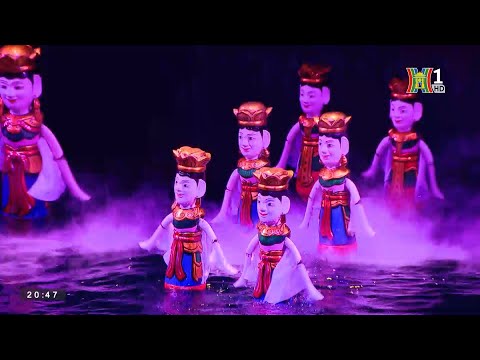
Water Puppetry Art
In the dim glow of lanterns, wooden figures emerge from rippling waters like spirits from an ancient dream. The haunting melody of bamboo flutes mingles with splashing sounds as dragons dance beneath the surface, their movements guided by invisible hands. This is mua roi nuoc – where water becomes stage, puppets become legends, and tradition flows like the eternal rivers of Vietnam.
Water puppetry stands as one of Vietnam's most enchanting and distinctive art forms, where skilled artisans bring wooden marionettes to life on shimmering water stages. This thousand-year-old theatrical tradition transforms simple rice paddies into mystical theaters, weaving together music, storytelling, and masterful puppetry to celebrate the agricultural rhythms and folklore that pulse through Vietnamese culture.
Born from the Flooded Fields of the Red River Delta
The origins of mua roi nuoc stretch back over a millennium to the fertile rice paddies of northern Vietnam's Red River Delta. Legend whispers that water puppetry emerged during the Ly Dynasty (1010-1225), born from the ingenuity of farmers whose fields lay submerged beneath seasonal floods. Unable to work their waterlogged lands, these resourceful villagers began crafting wooden puppets and staging performances directly in their flooded paddies.
Historical records suggest that by the 12th century, water puppetry had evolved from simple rural entertainment into a sophisticated art form performed for royal courts. The Đình (communal houses) of villages throughout the delta became centers for puppet troupes, with master craftsmen passing down their secrets through generations of family lineages. During times of celebration – harvest festivals, Tet celebrations, and village founding anniversaries – entire communities would gather around makeshift water stages to witness these magical performances.
The Sacred Dance of Wood and Water
At the heart of water puppetry lies an intricate choreography between hidden puppeteers and their wooden performers. The thuy dinh (water stage) consists of a rectangular pool, typically 4 meters square and waist-deep, with a bamboo screen (man tre) concealing the puppeteers who stand submerged up to their waists behind it.
The puppets themselves are masterworks of lacquered wood, carved from sung wood (Sterculia foetida) for its buoyancy and resistance to water damage. Each figure measures 30-100 centimeters tall and weighs between 1-5 kilograms. The artistry lies in their construction:
- Hollow bodies filled with lightweight materials to ensure proper flotation
- Waterproof lacquer coating applied in multiple layers and painted in vibrant reds, golds, and greens
- Flexible joints connected by underwater rods and strings, allowing for complex movements
- Detachable parts enabling dramatic effects like dragons breathing fire or phoenixes spreading wings
The puppeteers, known as thay beo, manipulate their charges using long bamboo poles and an intricate system of strings submerged beneath the water's surface. Standing behind the screen for performances lasting up to an hour, these masters must possess extraordinary stamina, dexterity, and timing. Their movements create ripples and splashes that become part of the performance itself – water droplets catching lantern light like scattered jewels.
Traditional performances feature a cast of archetypal characters: the jovial Teu (the fool) who serves as narrator and comic relief, graceful phoenixes and fierce dragons, farmers tending their fields, fishermen casting nets, and legendary heroes from Vietnamese folklore. The trong chau (water drum) and traditional orchestra provide a musical backdrop of bamboo flutes, wooden bells, and cymbals that punctuate each dramatic moment.
Mirrors of Vietnamese Soul and Spirit
Water puppetry serves as far more than entertainment – it functions as a living repository of Vietnamese cultural memory and spiritual beliefs. Each performance weaves together elements of ancestor worship, agricultural wisdom, and collective identity that have sustained rural communities for centuries.
The art form celebrates the fundamental relationship between the Vietnamese people and water – the life-giving force that nourishes rice paddies, enables transportation along rivers and deltas, and connects communities across the landscape. Through puppet performances depicting fishing scenes, duck herding, and rice planting, audiences reconnect with the agricultural rhythms that have shaped Vietnamese civilization.
Many performances incorporate spiritual elements, with puppet shows beginning with offerings to the Than Nuoc (Water Spirits) and featuring legendary figures like Chu Cuoi (the man in the moon) and the Dragon King. These stories reinforce cultural values of harmony with nature, respect for ancestral wisdom, and the importance of community cooperation during times of flood, drought, and seasonal change.
The communal aspect of water puppetry strengthens village bonds, as entire communities traditionally participated in creating performances – from carving puppets and building stages to composing music and training young puppeteers. This collective creativity reinforces social cohesion and ensures cultural knowledge passes between generations.
Experiencing the Magic: A Visitor's Guide to Water Puppetry
Today's travelers can witness this ancient art form at several exceptional venues that preserve its traditional essence while making it accessible to contemporary audiences.
Thang Long Water Puppet Theatre, Hanoi
Located in the heart of Vietnam's capital, the Thang Long Theatre offers the most convenient introduction to water puppetry. This purpose-built venue features:
- Daily performances at 2:00 PM, 3:20 PM, 4:30 PM, 6:30 PM, and 8:00 PM
- 50-minute shows featuring 17 traditional vignettes
- English program notes explaining each scene's cultural significance
- Air-conditioned comfort ideal for travelers unaccustomed to Vietnam's humidity
Golden Dragon Water Puppet Theatre, Ho Chi Minh City
Southern Vietnam's premier water puppet venue provides an excellent alternative for travelers exploring the Mekong region:
- Evening performances at 6:00 PM and 7:30 PM daily
- Intimate 100-seat theater ensuring excellent views from every angle
- Traditional live orchestra featuring master musicians
Village Festivals and Rural Experiences
For the most authentic experience, seek out water puppetry during village festivals throughout the Red River Delta:
- Tet celebrations (January-February) feature elaborate community performances
- Autumn harvest festivals (September-October) showcase thanksgiving themes
- Village founding anniversaries throughout the year offer glimpses of local variations
Planning Tips:
- Book tickets in advance during peak tourist seasons (October-April)
- Arrive 15 minutes early to appreciate the stage setup and musical preparation
- Bring a light jacket – theater air conditioning can be intense
- Photography policies vary by venue – check before your visit
- Consider combining water puppetry with visits to nearby temples or traditional craft villages for a full cultural immersion
The magic of Vietnamese water puppetry lies not merely in its technical mastery, but in its ability to transform simple materials – wood, water, and human creativity – into windows onto a culture's deepest dreams and most enduring wisdom.
Featured Video
Thưởng thức sân khấu Múa Rối nước Độc Đáo | Nhịp sống Hà Nội
Heritage Details
Official Recognition Information
- Official Name (Vietnamese)
- Nghệ thuật múa rối nước
- Description
- Vietnam's captivating Water Puppetry Art, a centuries-old tradition rooted in the country's rural landscapes, offers a mesmerizing performance that celebrates the intertwined relationship between the Vietnamese people and the life-sustaining waters that nourish their land.